A quick word: As someone who’s dug increasingly deeper into the Beatles’ January 1969 Get Back sessions for the past decade, it’s with obvious jubilation I welcome Peter Jackson’s new Get Back docuseries on Disney+. The story I’ve been telling here is now matched on the big(ger) screen. It’s very exciting in every way.
I plan to give any posts that need any tweaks for content and significant audio-visual upgrades a scrubbing when I can. At some more distant point I was planning on rewriting my earliest posts anyway.
I’ve spoken to a few outlets about Get Back/Let It Be in recent days and have a few more appearances on tap, and I’m looking forward to sharing them here.
Please follow me on Twitter @theymaybeparted for constant chatter and on Facebook for a little bit less chatter.
🧠@TVpsychologist on band dynamics ❤️@ElisJames on loving The Beatles 🎥@GailPorter on living on-camera 💻@TheyMayBeParted on a decade of 'blogging about January 1969 🔊 Tania Harrison on the logistics of staging the rooftop gig today
As a film, Let It Be has more backstory than story.
In Beatle-time, the 15-plus-month turnaround from the end of their January 1969 sessions until the film’s release in May 1970 was simply a glacial pace. Then from the moment it reached theaters, Let It Be has been treated as a snuff film.
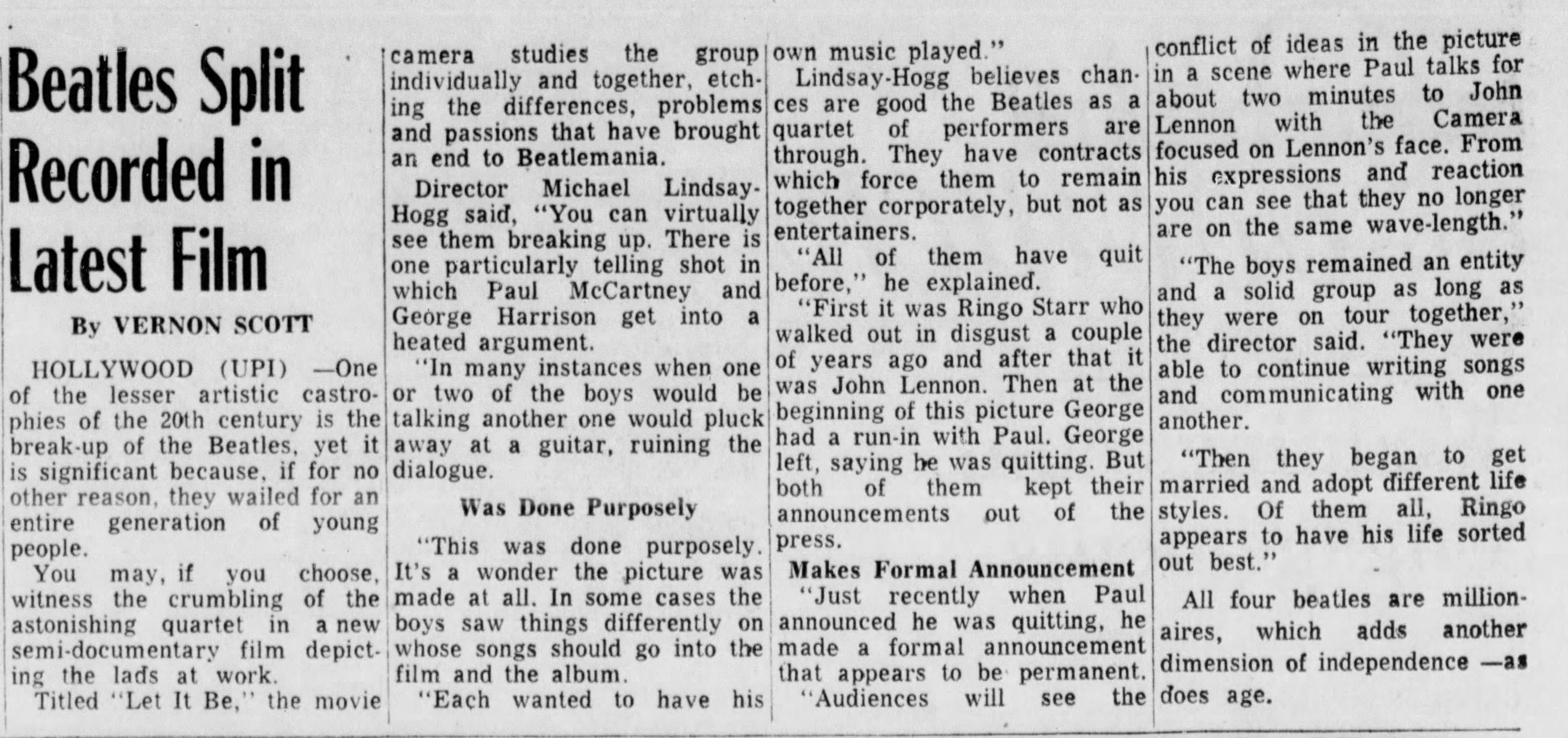
You can virtually see them breaking up … it’s a wonder the picture was made at all.
That’s director Michael Lindsay-Hogg, quoted in a syndicated wire story the week of the film’s release, ostensibly to promote the film. We’ll never know if he’d have said the same thing if the film come out in sometime in 1969 as originally planned, when it was provisionally titled Get Back.
To put 51 years into context, it’s 11 more years than John Lennon spent in the material world. It’s about as far away from today as the release of Let It Be was from the Treaty of Versailles. It’s a relative eternity.
Let’s pick up this story after January 1969. The Beatles completed busy and fruitful winter sessions split between Twickenham Film Studios and their own basement recording studios at 3 Savile Row with dozens of hours of audio and video that would emerge as a TV show and springtime LP, their follow-up to the White Album.
The February 1969 issue of the Beatles Book, their fan club magazine, said that while there was “still no fresh progress” on the Beatles’ next film, it was a “priority job” for the new year. They hadn’t yet realized the film was already in the can.
For the next several months, a clear pattern emerged: The release of the album was delayed because the movie was hung up.
April 29, 1969: Melody Maker reported 68 hours of footage was about to be edited down, “from which two films will be produced.”
May 3, 1969: “This film … somebody’s editing that at the moment. It’s sixty-eight hours, and they’re trying to get it down to five for several TV specials. Or then, it might be a movie. I don’t know” — John, to Melody Maker
Early July 1969: The Beatles Book reported the release of the album and a companion book would be delayed because “the fellows would like the film to go on television in August so that everything comes together at the same time.”
July 12, 1969: “[The LP] is tentatively set for September release … to coincide with the screening of the group’s TV special. … If the TV show is delayed until later in the autumn, it is possible that an alternative album … will be released first. From all the many reels of film shot during their recording sessions, the Beatles are hoping to produce a three-hour cinema film, from which the two-hour TV special would then be extracted.” — NME
The Beatles and family, at the July 20, 1969, rough cut screening.
July 20, 1969: The same day mankind made a giant leap on the moon, the stars of the film sat in place for a while to view Michael’s working cut of the film, which at the time clocked in at about 2 1/2 hours. This was about three months after editing was reported to be getting under way.
July 21, 1969: The day after the screening, Beatles assistant Peter Brown phoned Michael, asking on behalf of the group just one required edit: Whack a half-hour of John and Yoko footage. In his 2011 memoir Luck and Circumstance, Michael wrote he was told, “Let me put it this way. I’ve had three calls this morning to say it should come out.”
July 29, 1969: Variety reported plans to screen a TV special to coincide with the release of the Get Back LP. “The TV show and a three-hour cinema version are still at the editing stage,” the magazine said.
Early August 1969: The Beatles Book said the Get Back LP will be pushed back again to coincide with the film, “probably towards the end of November.”
August 30, 1969: “There is still no news of release of the … ‘Get Back’ album. … It is understood that this will still be issued as a soundtrack album for the film, however, and that Christmas is a possibility.” — NME
September 1969: After screening a new cut at some point this month, the group signed off on the film to business manager Allen Klein, according to Michael. In what could simply be a coincidence, the same month also saw John announce to the others that he was quitting the Beatles. They released Abbey Road in September, too.
September 20, 1969: Six days before that very release, NME reported the 85-minute “Get Back” film would premiere early in 1970. The paper said the documentary had been edited from “five hours of film taken at the time,” quite the error of scale. The paper does say, however, that the movie is expected to be picked up by United Artists in order to fulfill their three-film commitment. The Beatles’ priority for the year, as mentioned in February, was now complete. This is definitely a scoop, with Variety reporting the same UA deal the following April.
October 1969: Counter to the NME story, the Beatles Book maintained the LP and film would come out in December. Elsewhere in this issue, in Steve Turner’s article on the Beatles’ effect on modern culture, the rumor that the Beatles may film a version of Lord of the Rings was revived.
November 1969: The Beatles Book was back to reporting a 1970 release with UA distributing.
On the very eve of the Let It Be’s ultimate release in May, we can catch a glimpse of contemporary opinions of the film.
Based on interviews conducted prior to the release of the McCartney LP, the traditional marker for the breakup of the Beatles, BBC Radio 1 broadcast a promotional special on May 23, 1970, in conjunction with the film’s wide release in the UK.
George, however, said he “can’t stand” seeing the “pure documentary of us slogging.
“But for other people who don’t know what we’re really about, who like to go in and see our warts, it’s very good. … It’s the complete opposite to the clinical approach that we’ve normally had.”
Of the album, he says “you can actually get to know us. It’s more human.”
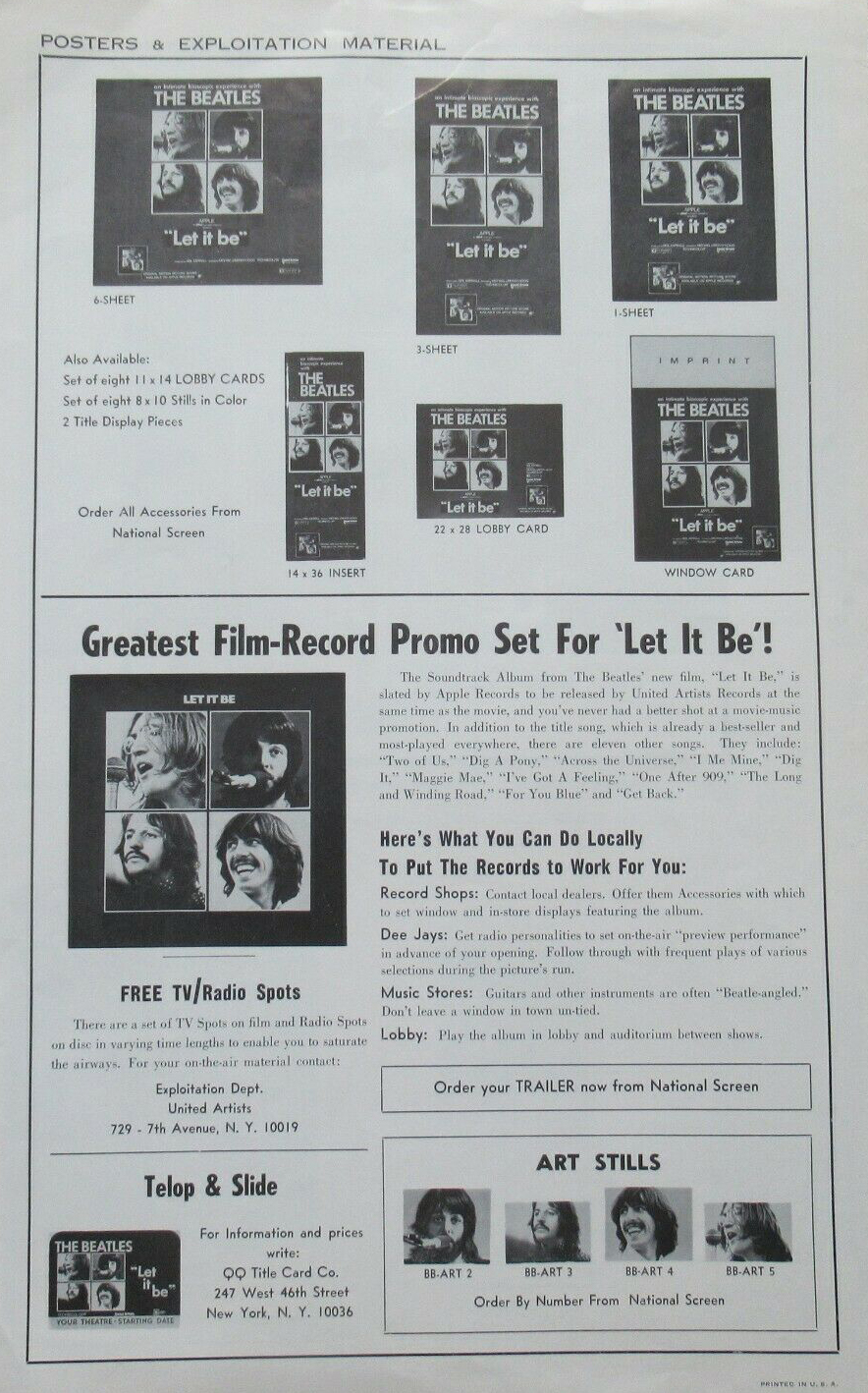
“Exploitation materials and posters” intended for theaters to use for promotion of Let It Be.
Speaking to Rolling Stone for a cover story on the eve of the release of his solo debut — the magazine is dated April 30, but the interview was clearly conducted prior to April 10 — Paul continued to point to the film, which he still referred to as Get Back, in positive terms.
“The Get Back film is a good film. And it is a real film. The troubles are in it as well as the happy moments.”
Paul went on to complain about the delays of the record’s release in interestingly prescient terms while blaming Klein for the holdup.
“The LP is looking to be a joke, for it is a bit of a cliff hanger. I would have liked to have seen it out there three months ago and now I don’t even remember making it.”
It’s tough to keep pace in Beatle-time. Paul’s point is clear, though, even with the tremendous exaggeration.
While the Beatles may have been in a difficult spot in early April 1970, it wasn’t the same spot — difficult or not — they were in January 1969.
When Let It Be was first shown to the public, on May 13, 1970, there was no glitz or red carpet. Instead the film was screened in ordinary theaters dotting the United States, not at a promoted premiere in New York as Apple had initially promoted.
A week later, May 20, the film received a more proper launch, premiering in London and Liverpool with the pomp missing stateside. In London, Beatle exes Jane Asher and Cynthia Lennon were among the guests, which also included Mary Hopkin, Lulu, Spike Milligan and other notables as thousands of fans showed up at the scene. Kevin Harrington, equipment manager at the time, wrote in his memoir that he took an Apple Scruff to the premiere. No Beatles were present, however.
At this moment, two key figures were across the globe, in Los Angeles. John Lennon was in Bel Air undergoing Primal Scream therapy while Michael Lindsay-Hogg was at work about a half-hour away in Hollywood (traffic pending).
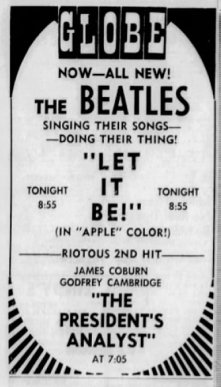
The most accurate review yet: “Singing their songs, doing their thing!” (From the May 13, 1970, Californian)
John and Yoko joined Rolling Stone chief Jann Wenner and his wife, Jane, for a showing Let It Be at a sparsely attended theater in San Francisco in the early part of June 1970.
“After the show — moved at whatever level, either as participants or deep fans — we somehow cried,” recalled Wenner.
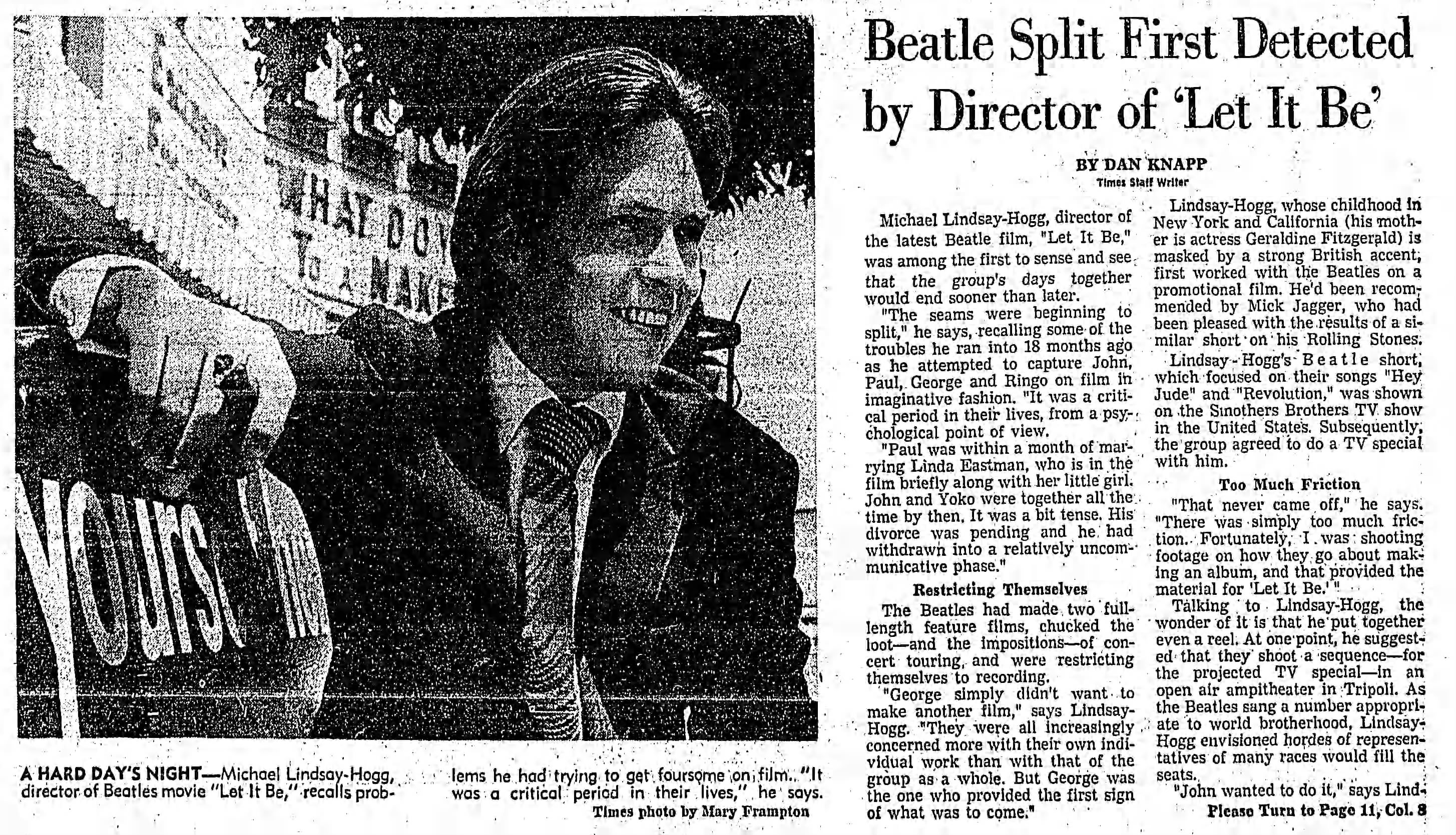
In a Los Angeles Times interview published just a few days after Lennon saw the movie, Michael again reflected on the difficulty of filming the sessions in terms dramatic enough the reporter remarked “the wonder of it is that he put together even a reel.”
In the June 10, 1970, article, Michael complained the group would disrupt “a lot of good, funny and antagonistic conversation” by playing music and moving microphones away. “I don’t think I got them when they were their most charming,” he said, essentially acknowledging they were never charming given the amount of footage he actually did get.
The article was memorable enough for Michael that he remembered his reaction to it decades later in his book.
… [I] was surprised, or concerned, that what had seemed clear to me when I’d said it had been reported without insight, with no recognition of irony or jokes. The Beatles were portrayed only as argumentative people, without extenuation, without subtlety.
The article prompted a further response, a phone call from fellow director — and father, as he later learned — Orson Welles, who asked Michael if he was happy with Let It Be.
“Some of it,” Michael replied. “It’s hard when your stars are your producers. And there were four of them. … A lot I liked got cut out. … But the footage was good.”
Let It Be arrived at theaters at various points in May 1970, but it was absolutely impossible to separate it and its impact from the April release of McCartney. Ringo’s late-March release of his solo debut, Sentimental Journey, wasn’t necessarily seen to have been as critical to the story as McCartney, but it simply piled on the narrative. Let It Be was the breakup film paired with a breakup soundtrack LP. Reviews of one usually paired with reviews of the other.
Variety’s review, published in their May 20 issue, called the movie “relatively innocuous, unimaginative piece of film. But the musicians are the Beatles, and coming hard on the group’s breakup, … [it’s] charged with it own timely mystique.
The fascination of “Let It Be” is that it is, in a sense, probably the last public appearance of Paul McCartney, John Lennon, George Harrison and Ringo Starr as a group, with all the gossip and speculation attending the split, reading between the spoken lines of the film becomes a game in itself.
Variety did wisely predict “McCartney … will probably emerge strongest as a major individual talent of the Seventies as a composer and singer.”
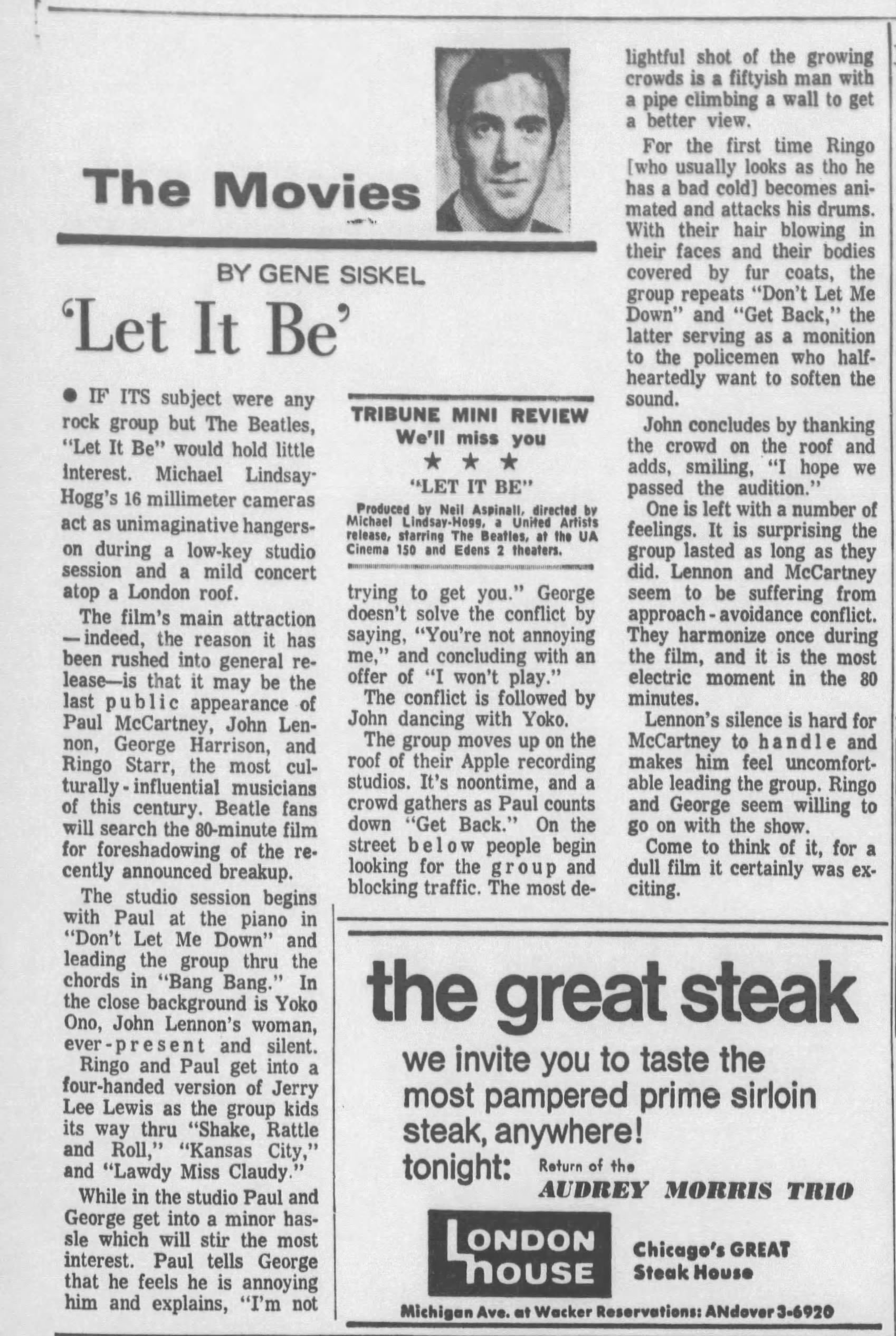
Chicago Tribune legend Gene Siskel gave Let It Be three stars, writing “Beatle fans will search the 80-miunte film for foreshadowing of the recently announced breakup.”
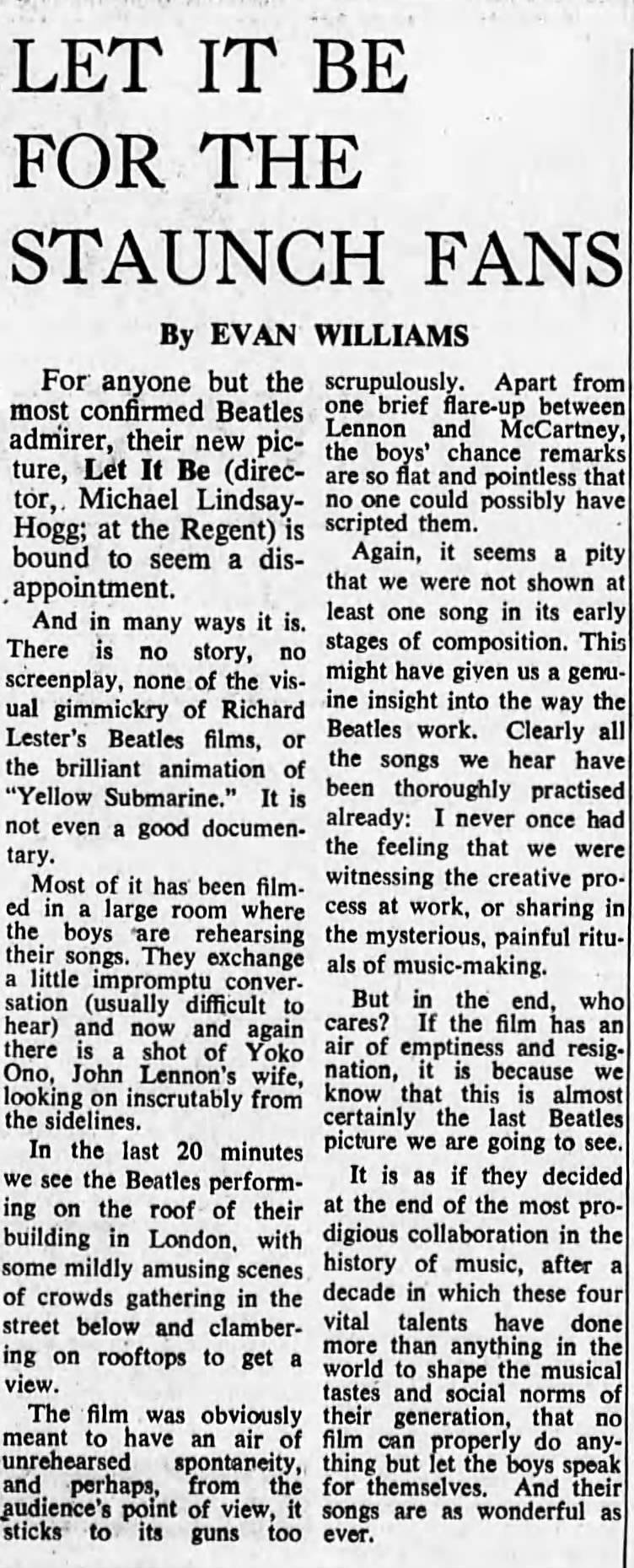
In the the Sydney Morning Herald’s review headlined “Let It Be For the Staunch Fans,” writer Evan Williams smartly noted:
It seems a pity that we are not shown at least one song in its early stages of composition. This might have given us a genuine insight into the way the Beatles work. … I never once had the feeling that we were witnessing the creative process at work, or sharing in the mysterious, painful rituals of music-making.
(This key point is something the 2021 Get Back film is set to get right).
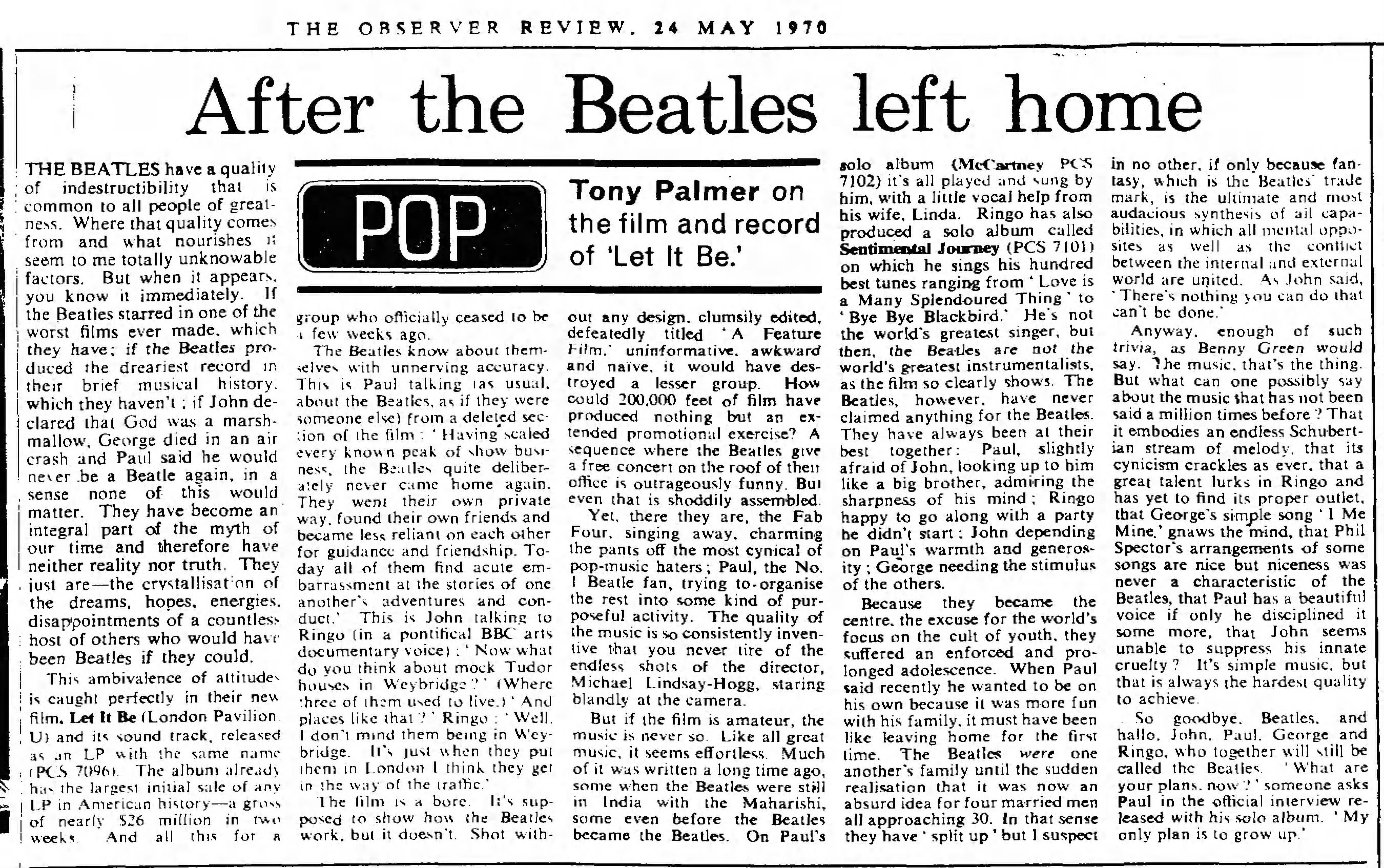
Tony Palmer gave a brutal takedown of the film in the Observer’s May 23, 1970, issue.
The film is a bore. … Shot without any design, clumsily edited, defeatedly titled ‘A Feature Film,’ uninformative, awkward and naive. It would have destroyed a lesser group. How could 200,000 feet of film have produced nothing but an extended promotional exercise?
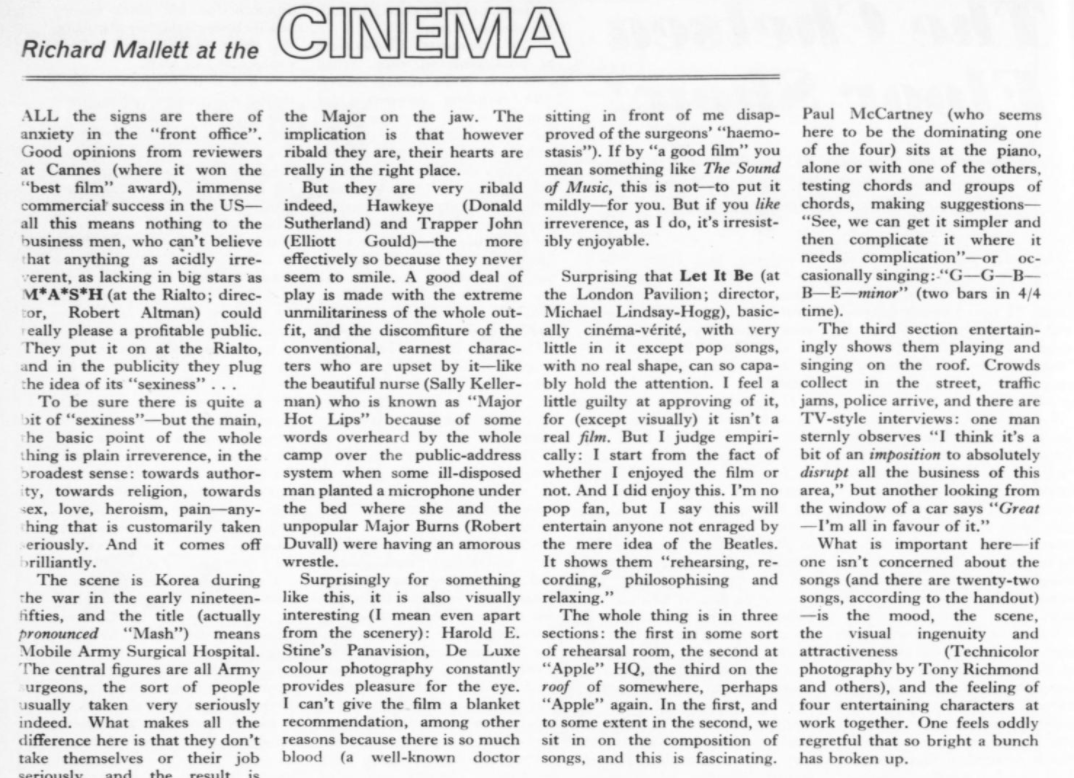
Writing for Punch magazine, Richard Mallett, who described himself “as no pop fan” called the film shapeless but wrote it “will entertain anyone not enraged by the mere idea of the Beatles.” He enjoyed the film’s mood, visuals and interplay of the four Beatles, concluding, “One feels oddly regretful that so bright a bunch has broken up.”
“The Beatles and Friend” – from Punch magazine
These are just a small sampling of reviews. I could have posted hundreds, but you get the idea.
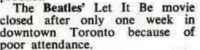
The film performed OK at the box office, seeming to peak in Variety’s weekly rankings at No. 5 in its third week. Per those same rankings, it dropped from No. 8 to 41 on June 17 and then slowly vanished from theaters overall. The film ultimately won an Oscar for its score, but no there weren’t any Beatles around to pick up the trophy.
From Billboard, June 11, 1970
It’s an understatement to say the Beatles, especially John and George, piled on subsequent years, advancing and ensuring the film’s terrible standing.
Even Capitol Records eventually called out the film’s dim reputation. Remember Reel Music? (Don’t answer that). The 1982 compilation of Beatles movie songs promoted Let It Be like this:
Let It Be poignantly documents the group’s disintegration while capturing their inimitable songwriting technique.
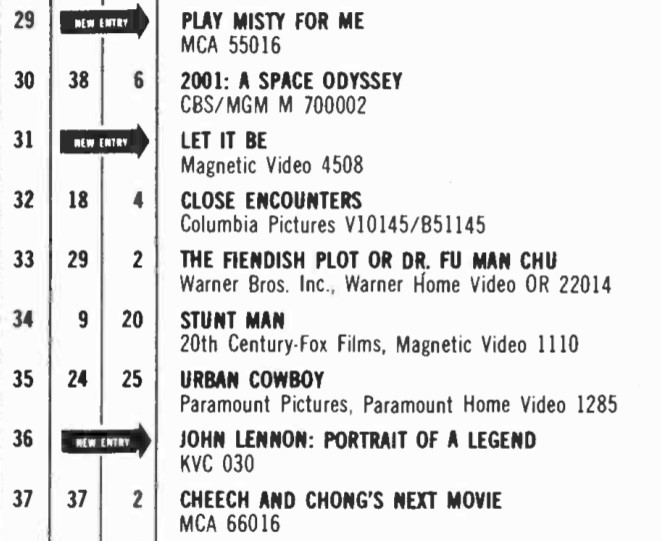
In July 1981, a decade after it was in theaters, Let It Be saw its first home release on VHS (it was later issued on Laserdisc). Again using Variety’s rankings, the tape debuted at No. 31 and kind of bubbled around the 20s, peaking at No. 19 before eventually falling out of the Top 40.
VHS charts, August 1, 1981, Variety.
That makes it 40 years since the movie was last issued for a home audience. In January 2022, “A Hard Day’s Night” is slated for a 4K Criterion Collection reissue. You could have bought that fab film on VHS, Laserdisc, DVD, Blu-Ray and streamed it online in that same period of time. It’s a big game of telephone, but Michael says that Paul told him George blocked the DVD release in the 1990s, while a planned DVD to be released in tandem with Let It Be … Naked in 2003 never materialized.
Footage from Let It Be trickled out officially on occasion, like in Anthology in 1995, when a whole new audience was exposed to George playing if Paul wanted him to play during the “winter of discontent.” On the flip side, part of the rooftop show ran during the credits of the 2014 documentary “Eight Days a Week,” a lovely — if strictly anachronistic — conclusion to a movie about the Beatles’ touring years.
But for all intents and purposes, the original Let It Be film had its reputation established by its release, with the breakup taking on a disproportionate stake. Decades of unavailability for mainstream viewers cemented the movie as a straw man for late-era Beatles. The only two views of it were “watch the Beatles break up” or “watch for the symptoms of the Beatles breaking up.” There was little middle ground. Maybe Michael Lindsay-Hogg offered up too much subtlety.
Or maybe we also lost some context along the way.
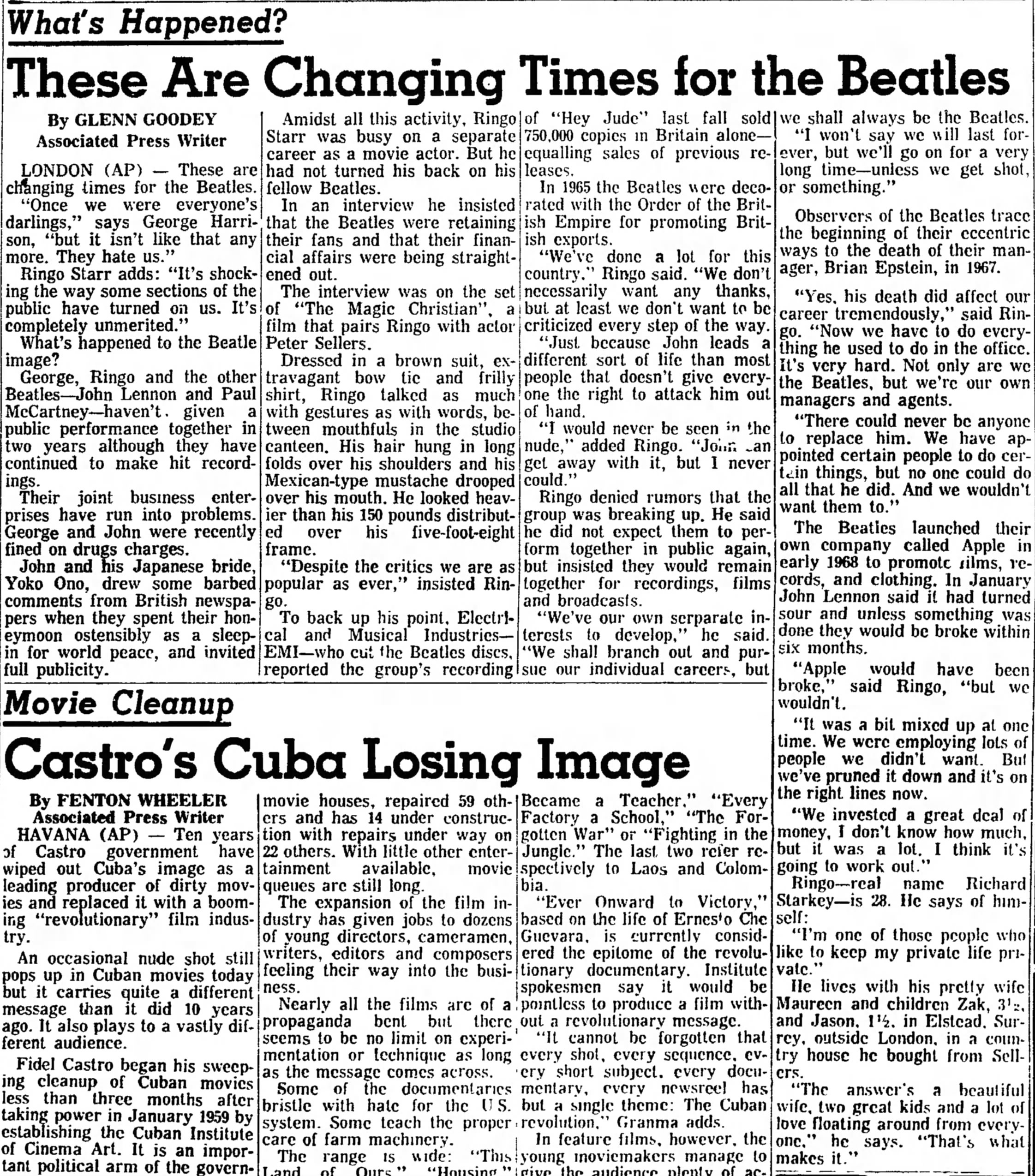
“Once we were everyone’s darlings,” George said in an interview published by AP. “But it isn’t like that anymore. They hate us.”
Ringo agreed in the same article. “It’s shocking the way some sections of the public have turned on us. It’s completely unmerited.”
It only took 51 years, but Let It Be is Get Back again. It’s out in conjunction with the release of the LP and a book (and within months of competing solo Beatles products). Yet with all this history behind it, it instead arrives with excitement from the band and fans alike, and it’ll draw upon its own blank slate.
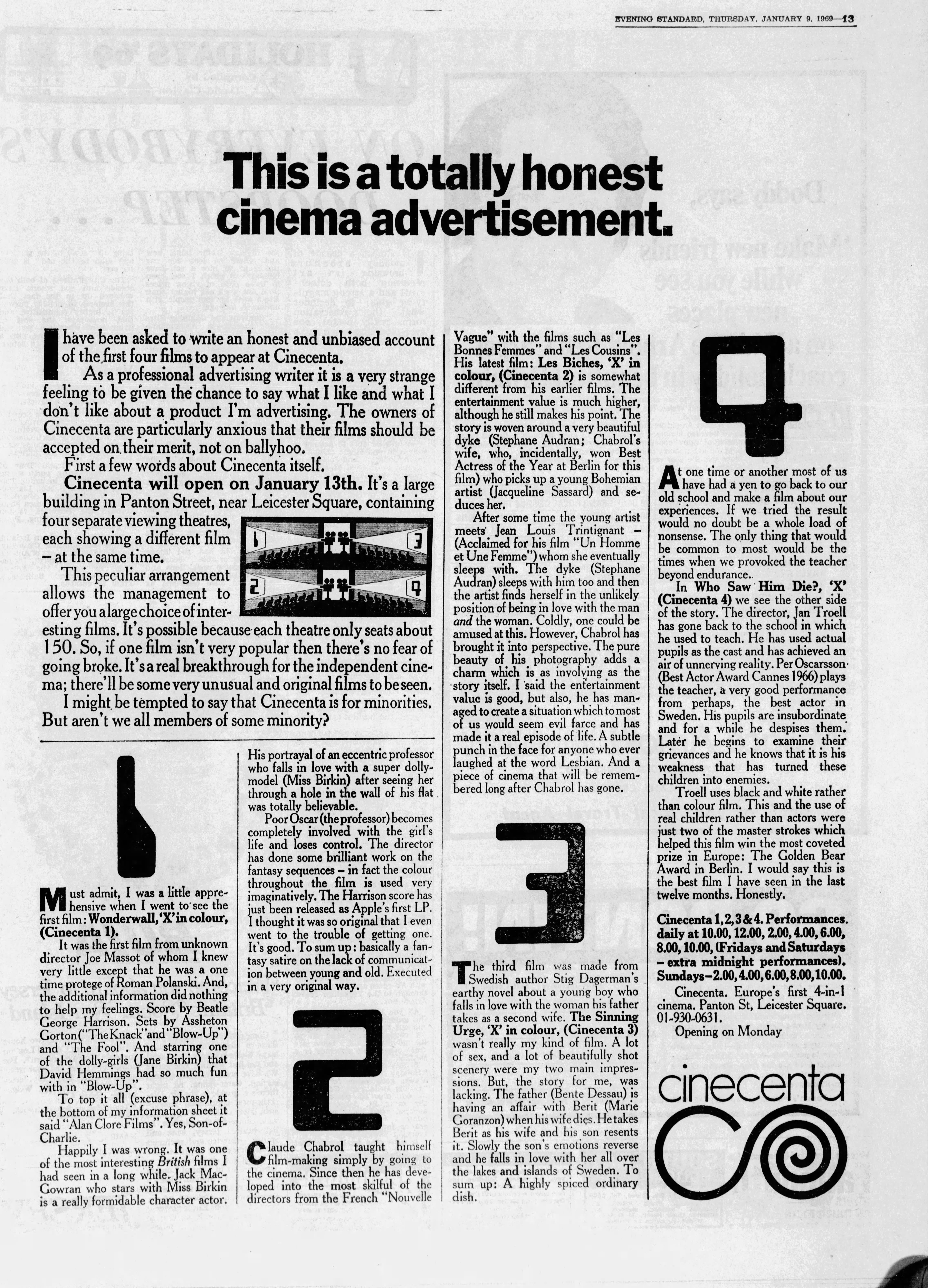
“This peculiar arrangement allows the management to offer you a large choice of interesting films” (from a January 9, 1969, ad for Cinecenta)
That evening, Wonderwall — the film which bore George Harrison’s excellent solo debut as its soundtrack — enjoyed its British premiere at London’s Cinecenta. George, who had walked out of the Apple meeting that day, didn’t attend the premiere, which also served as a sneak preview for the Panton Street theater, Europe’s first four-in-one cinema.
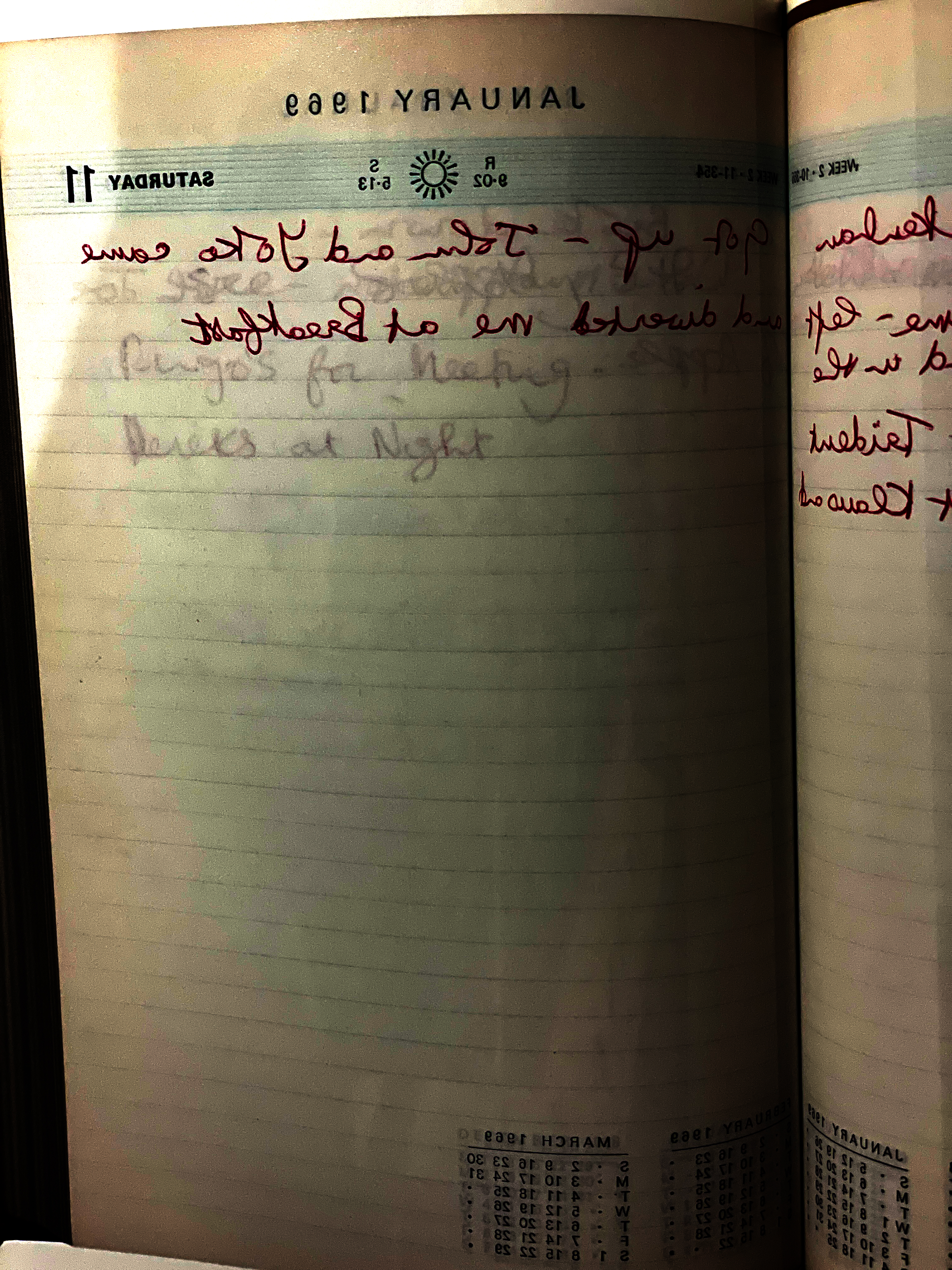
Rather, George spent the evening at the home of Apple press officer and close friend Derek Taylor, a fact detailed in George’s diary. Mal Evans, who did it all for the Beatles, whether it was running errands or helping with lyrics or banging silver hammers, went to the movies instead, presumably as George’s representative.
“I went to the premiere of Wonderwall last night,” Mal told the others, unprompted, early on the January 13 Nagra tapes. He said he liked the film, even though it “really got slayed in the papers.”
Ringo, who in May 1968 joined George at the film’s world premiere at the Cannes Film Festival, added, “I like the film too. After a couple of times, is that what you were going to say? First time was a lot.”
After the film, which was screened in all four theaters, Mal — resplendent in bow tie — enjoyed the crowded reception, including ice cream afterward.
Zeppelin’s self-titled debut LP hit American shops on January 12, 1969 (it came out in the UK in March), and that certainly would have made it a big day for Glyn, its engineer.
A few weeks after this date, after George had returned to the band and rehearsals shifted to 3 Savile Row, Glyn tried solicit the Beatle’s opinion on the fledgling Zep. George seemed more interested in lunch, but it’s still a neat moment in rock history.
At a 2014 Q&A to promote his memoir, Glyn said when he did finally get to play some of the LP for George, the Beatle “didn’t get one bar of it” (Mick Jagger wasn’t impressed either).
The Led Zeppelin release may not have even the biggest news for Glyn on January 12, although admittedly that’s just speculation. On the Nagra tapes recorded the next day, Glyn tells the others for the first time that he and his wife were expecting. So maybe she reached a certain point in a healthy pregnancy that weekend that made them feel comfortable to share the news starting Monday.
“Did I tell you my wife’s definitely confirmed pregnant?” he told Ringo, Michael and the other early arrivals.
Their son, Ethan, picked up his dad’s business decades later, producing, among other things, twotracks on Paul McCartney’s 2013 LP New.
Big brother is watching?
After the meeting at Ringo’s, Paul spent time with Apple head Neil Aspinall, discussing an explosive idea for the Beatles’ proposed live concert. Did Paul have time for someone else’s concert that same night?
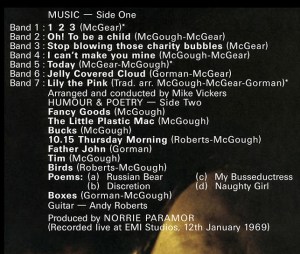
Some books place Paul at EMI Studios that night, but it’s hard to confirm just how many McCartneys were at the Abbey Road studios. There’s no question The Scaffold, featuring Paul’s brother, Mike McGear, recorded portions of their L. The P. album there that evening. There’s also no question Paul provided the guitar for two of that album’s tracks — and he recorded those in subsequent months. Side 2 of the LP, all humor and poetry, was recorded live before an audience of London University students that Sunday, and it’s feasible Paul was also in the crowd.
Paul lived a short walk from EMI, but it would be a surprise if he went the show yet didn’t mention it the next day on the tapes, considering how much detail of their lives they did share.
Sitting on a sofa on a Sunday
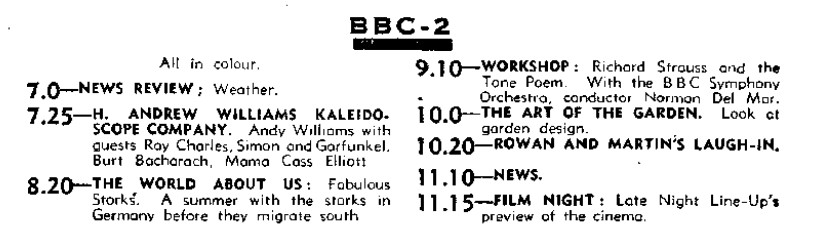
Michael Lindsay-Hogg was stuck to the television Sunday night, when he was tuned to the Andy Williams special on BBC-2. An hour-long show featuring several performers and beginning at 7:25 p.m., the “H. Andrew Williams Kaleidoscope Company” originally aired in the U.S. in April 1968, but was first-run to British audiences in January 1969.
From the January 4, 1969, New Music Express
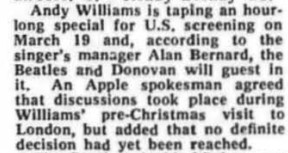
While Andy Williams featured a Beatles number in the dizzying opening sequence and was presently rumored to be in line to host the band on his TV show in the coming months (see the adjacent clipping from NME), the American crooner wasn’t discussed at all on the Nagra tapes the next morning.
Instead, Simon and Garfunkel, who had four LPs among the top 26 in the UK for the period beginning January 12, 1969 — including The Graduate, which sat at No. 4 — sparked the most conversation, again, primarily from Michael.
Michael confirmed Garfunkel was the frizz, before unexpectedly offering that he had “a very long, involved story about how Paul Simon and I don’t get on, but it’s too long and involved. … It’s funny, I’ll tell you sometime.”
(We never hear the story, but their issues must have eventually been ironed out, because Michael directed the Simon & Garfunkel reunion in Central Park in 1981 and later got his big African concert, directing Simon’s historic 1987 Graceland concert before a huge audience in Zimbabwe.)
There was another act on the Andy Williams show that drew interest.
“Who saw Ray Charles?” Ringo asked.
It’s a good question, and one unfortunately left hanging, as they moved onto other topics before anyone answered.
If anyone had, in fact, seen Ray Charles’ segment, they could have caught a fleeting glimpse of his organist: Billy Preston.
Here’s that disclaimer again. For this series of posts recounting the Beatles’ private January 12, 1969, board meeting, I’m going to jump between various parts of the January 13 Nagra tapes that directly (and indirectly) address January 12, for the sake of the overall narrative. Specific quotes and certain discussion topics conspicuously absent here will soon be tied back into the story. I swear!
****
The Beatles were facing a rupture; at best they were simply in another crisis. George Harrison first walked out on the group January 10, 1969, and then from an Apple Corpsboard meeting at Ringo Starr’s house two days later.
Through — and despite — the tumult, Paul McCartney continued to consider the big show that would serve as the finale of Michael Lindsay-Hogg’s documentary TV show, the grand closing statement. Paul conceived the grandest statement of all, and he shared it with Apple head Neil Aspinall the evening of the 12th. It’s not clear if he told him at Ringo’s or after at a different location, but it was Neil himself who “really finished the idea off, which made it sensational,” per Paul on the Nagra tapes recorded the morning of January 13.
While we were rehearsing the show ourselves, we should have alongside us someone sort of near, so that we’re getting the same kind of buzz but completely independent. We should get, say, the editor of the Daily Mirror. You’d have to get someone as good as him, a real hard news nut, rehearsing a team of really hard, incredible newsmen. With films, writing … so that on the night of the show, in between all our songs is news. But the fastest and hottest, from every corner of the earth.
Paul continued, attempting to sound like a serious news anchor in a breaking news environment, gravity in his voice and mimicking contemporary newsroom sounds, like a reporter tearing copy off a teletype machine.
‘We just heard there’s been an earthquake and so-and-so [makes exploding noise]’. You know, just like incredible news in between each thing, so it’s like a red-hot news program.
And at the end, the final bulletin is:
The Beatles have broken up.
So much for centering a show around 2,000 torch-lit Arabs or a boat ride. Michael is impressed by Paul’s pitch, presumably for its dramatic effect, calling it “nice” after a moment of reflection.
“Nice, but who wants to hear that?” asked Paul’s girlfriend Linda Eastman, who was present both at the meeting the day before and the recap at Twickenham.
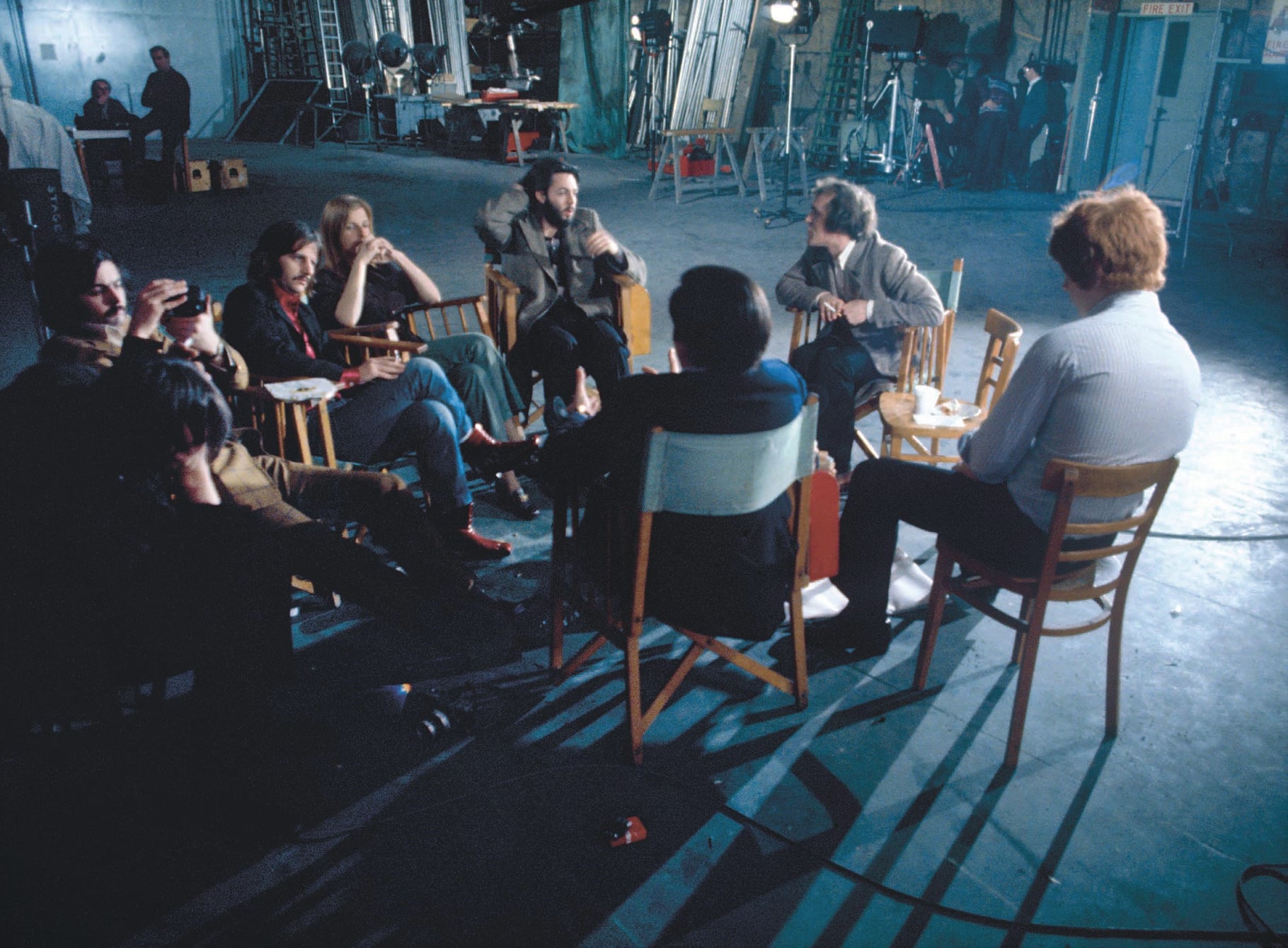
This photo captures around the time Paul was discussing the breakup show concept, on January 13, 1969. (Photo by Ethan Russell from the new Get Back book)
“But, I mean, it would be an incredible show,” Paul said.
Cover all the earthquakes and explosions you want. It was the final implosion that would inflict the most harm to this audience. Immediately before Paul’s pitch, Michael called it “dispiriting” if the Beatles couldn’t find a way to save themselves from a breakup.
“God, it’s an event when a Beatles album comes out,” an exasperated Linda replied to Michael. “Or even a single. People listen more to that than when [President Lyndon] Johnson gives a speech.”
It was the better halves who cared more to see the the group whole.
“It’s like Maureen [Starkey] was saying [presumably at Saturday’s meeting]: We’re fans. The Beatles are it. Musically, I still think that way.”
It continued to be the problem, for at least half the group. During lunch, in a discussion secretly recorded shortly after this conversation on January 13, John decried the Beatles’ “myth” in an echo of George, who said something along those lines a few days earlier.
A mythological concept to John, the sincere fans did believe in Beatles.
Paul’s suggestion of the surprise farewell in the wake of the meeting at Ringo’s came off more for shock than true consumption — it wasn’t discussed on the tapes again, and may never have reached the ears of John or George. But Paul did show a sincere willingness for the group to stand solo in the sun, saying that he himself wasn’t completely satisfied as just a Beatle only. He wasn’t busting any myths, only suggesting there were even more opportunities for them, and not by simply growing the number of Beatles, as John had previously suggested.
Ringo was already contemplating what would eventually become his Sentimental Journey LP a year later, and Paul pressed him to move forward with the idea of this “Stardust” album, despite the drummer’s fear of singing on a record by himself.
From the lunchroom tape on the 13th, in a remarkable exchange:
Paul: It isn’t as daft as you were sort of frightened it might sound. … The great thing is that you singing how you really sing will be it.
Ringo: Yes, but the only way to do it is on your own.
Paul: Until then, yeah, sure. Until then, until you reach how you really sing, you’ll sing your half-soul.
And it’s probably when we’re all very old that we’ll all sing together.
And we’ll all really sing, and we’ll all show each other how good we are, and in fact we’ll die then, I don’t know. Probably something sappy or soft like that. I don’t know.
But really, I mean, it’s really down to all those sort of simple, silly things to me.
Yoko Ono: But those are the important things, you know?
This part of the lunchroom conversation covered much of the same ground as the “divorce” discussion on January 7, but with a softer, more optimistic and accepting posture. A few extra days and George’s actual absence — not merely a threat of one — created a clear difference in the vibe.
Through this John sounded sincerely unsure of himself and the path he’d like to take. It can only be assumed that the lack of cameras or visible recorders allowed him to speak more fearlessly.
While Paul worked to reassure John — “You’ve noticed the two ways open to us. You know the way we all want to go, and you know the way you want to go. Which is positive!” — John’s insecurity overwhelmed his outsized abilities.
“Like Ringo said about his album … I won’t do it cause I’m gonna let us down or look like a fool.”
Days after pushing back on George’s concern that his songs “come out like a compromise,” Paul adjusted his stance. Maybe it’s re-positioning with George gone or maybe it’s a result of the departure and any responsibility he had in it, but Paul showed a retreat on the group micromanaging their respective songs, including his own role in doing so, at least now while they were still together.
What I’d like to do is for the four of us — and you know, we’ve all have done that things to different degrees — I think is if you [Ringo] go one way, you [John] go one way, George one way and me another. But I know it will apply to all of us, if one day you can all be singing like you’re singing, [Ringo] can be drumming like you’re drumming. George can be really playing, I mean like he plays, not like as if I’m trying to make him play. But I keep trying to make him play like that.
This dynamic reached beyond just George and Paul.
“You try and make George play competently because you’re afraid that how he’ll play won’t be like you want him to play,” John replied. “And that’s what we did, and that’s what you did to me. …
“I got to a bit where I thought it’s no good me telling you how to do it, you know? All I tried to do on [the White Album] was just sing it to you like I was drunk, you know? Just did me best to say , ‘Look, this stands up on its own.’ … It wasn’t the arrogance of [saying,] ‘Listen, this is it, baby.’ It isn’t that I can’t tell you what to do because you won’t play here like I think you should play. And I’m not going to tell you what to play.”
The differing approaches John and Paul took to arranging their songs are pretty evident on the Nagra tapes and to readers here. At this point in the lunchroom conversation, John admited he’s just too scared to stop Paul from micromanaging parts to the detail and degree he does.
John continued:
Apart from not knowing, I can’t tell you better than you have, what grooves you’d play on it. … But when you think of the other half of this, just think how much more have I done towards helping you write. I’ve never told you what to sing or what to play.
You know, I’ve always done the numbers like that. Now the only regret, just for the past numbers, is that when because I’ve been so frightened, I’ve allowed you to take it somewhere where I didn’t want. And then my only chance was to let George … take over, or interest George in it.
Of all their songs to name, it’s a notable discussion point and not accidental. The final song recorded for Revolver (and one they played in passing earlier in the week at Twickenham), Paul walked out during its sessions in June 1966, a link from that moment to this one, with a Beatle missing.
I’m not sure but I think it was one of the only Beatles records I never played on. I think we had a barney or something and I said, “Oh, fuck you!” and they said, “Well, we’ll do it.” I think George played bass.
Without Paul’s interference, John could let the others just play their parts as originally, and simply, arranged. “[George would] take it as is, you know?” John recalled before backhandedly crediting Paul’s management style. “It’s George, you know, if there’s anything wrong with it, because I don’t want your arrangement on it. … If you give me your suggestions, let me reject them or in the case there’s one I like, it’s when we’re writing songs.”
The situation wasn’t reciprocal, as John reminded Paul — who agreed — “there was a period where none of us could actually say anything about your criticisms, ’cause you’d reject it all.” (Still, John conceded Paul’s musical decisions would often be the correct ones.)
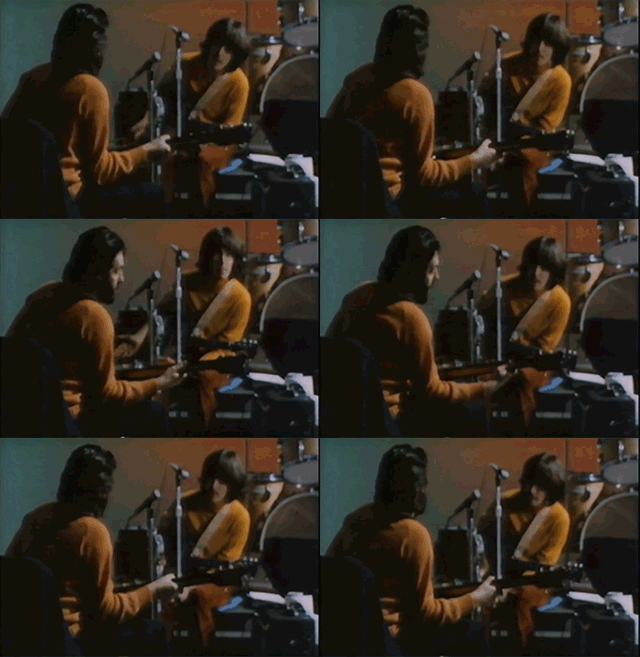
If this line of conversation sounds familiar, it’s because exactly a week before this lunchroom chat, Paul and George debated this very issue in the quintessential tension-filled moment of the Let It Be film. Ultimately, George wasn’t too excited to take things “as is” and Paul wasn’t necessarily insistent he do so. So the situation is characteristically blurry.
“I’ll play, you know, whatever you want me to play. Or I won’t play at all, if you don’t want me to play. Whatever it is that will please you, I’ll do it.”
Assuming nobody noticed the hidden microphone in the flower pot at the canteen — a phrase as ridiculous for me to type as it is for you to read — we can be certain none of the parties on the lunchroom tape were playing for the cameras and a larger degree of posterity. (Whether they were being sincere with each other in this private moment is a completely separate question.)
Without the this recording, however, we wouldn’t know just how far Paul was encouraging the others to experience outlets outside the band’s restraints, and just how warmly he spoke of what would be an eventual reunion “when we’re all very old.” It would be a return in which they all can show off how much they’ve grown as artists outside of the limitations and restrictions they posed upon each other, and this reunion would serve as their very final act. It’s sweet and in retrospect very sad, even if Paul backs off a little calling it “silly.” Two Beatles never advanced past middle age, must less having a chance to be “very old.” Thankfully Yoko appreciated Paul’s line of thinking.
Around the context of their conversations and at the precise moment these sessions — and collective future — were in question, Paul’s support for and active, repeated urging of the group to go their separate ways very much complemented his grand statement to end their proposed TV show.
Their ultimate reunion would have made a most spectacular sequel.
FYI at the outset: I’m applying the same disclaimer from last time, when I started recounting the Beatles’ January 12, 1969, meeting at Ringo Starr’s house. For this series of posts, I’m going to jump between various parts of the January 13 Nagra tapes that directly address January 12, for the sake of the overall narrative. Specific quotes and certain discussion topics conspicuously absent here will soon be tied back into the story. I promise!
****
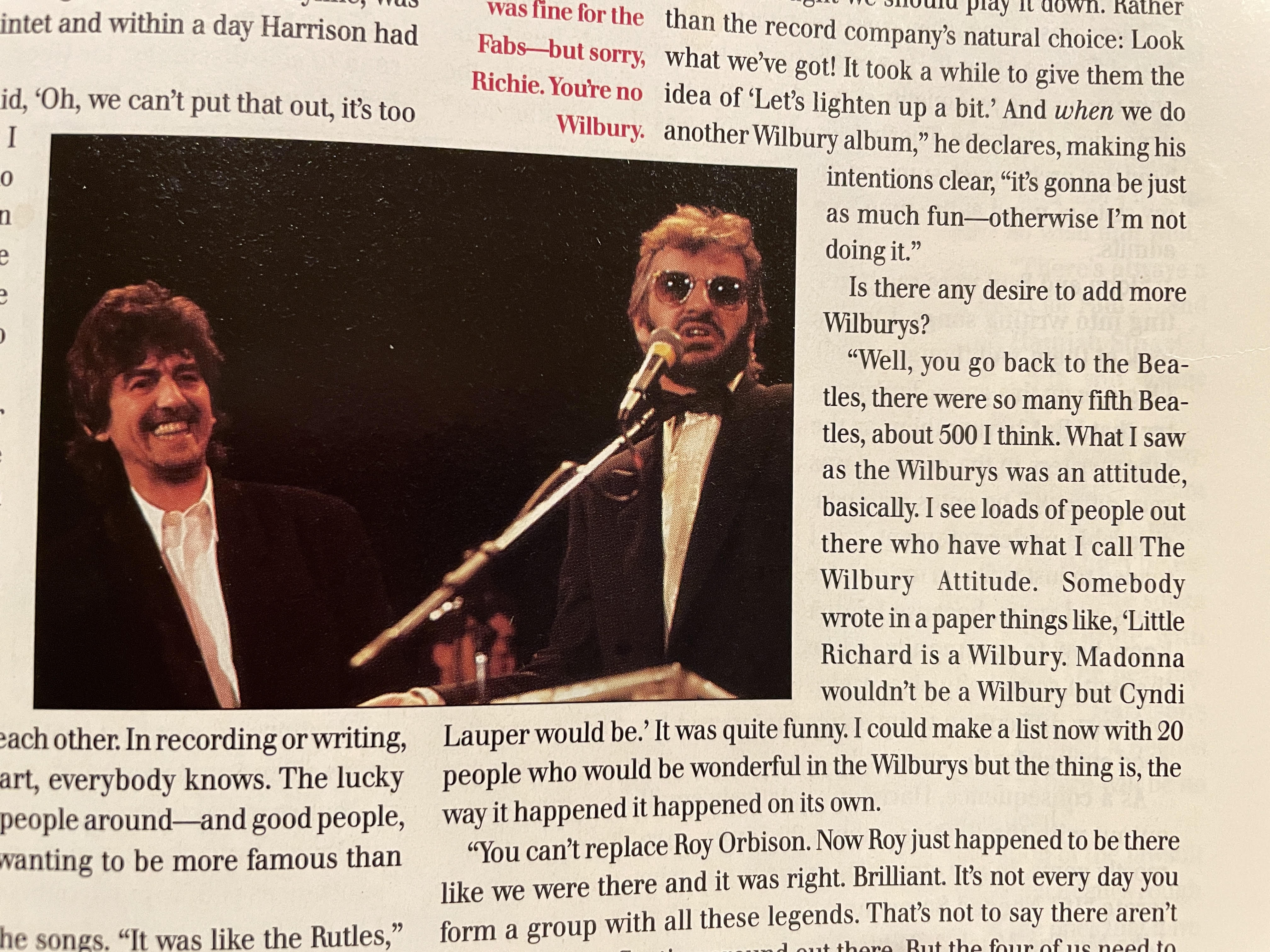
Twenty years after the breakup of the Beatles and in the midst of leading his own supergroup, George Harrison characterized the “Wilbury Attitude.”
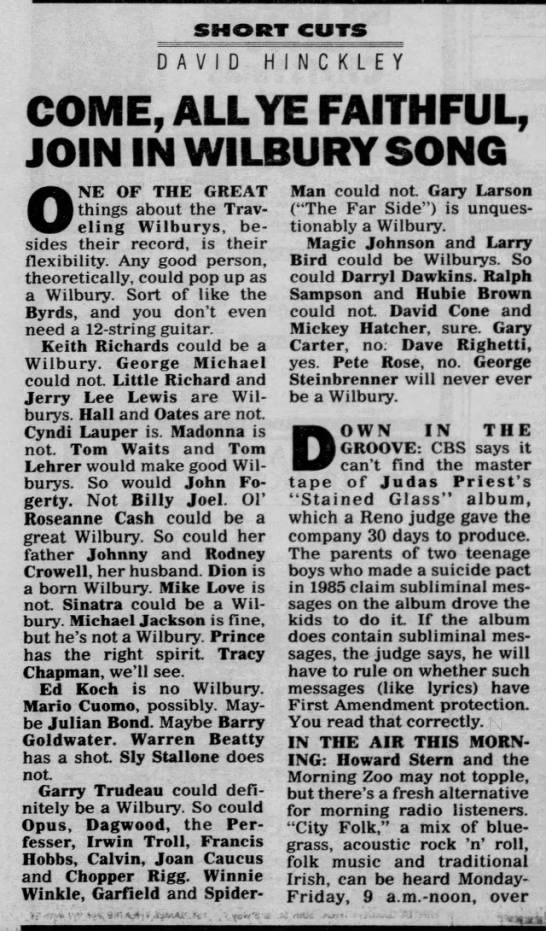
Somebody wrote in a paper things like, ‘Little Richard is a Wilbury. Madonna wouldn’t be a Wilbury but Cyndi Lauper would be.’ It was quite funny.
While there may have been “about 500” fifth Beatles, as George estimated in that same Musician profile, the four proper members of the Beatles were set in stone (Pete Best and Stu Sutcliffe screw up this accounting, so let’s just stick with the figure of four), and the lineup had been stable for more than six and a half years by the time we reached January 1969.
John Lennon proposed expanding the group more than once over the course of that month. The Beatles’ board meeting on January 12 was one such occasion.
Most of what we know about that meeting we learned from recordings of John, Ringo and Paul McCartney — among several other key figures — captured a day later. And while some of those January 13 conversations were filmed openly at Twickenham Studios on the set, so to speak, of Let It Be, a clandestinely recorded lunchroom discussion fleshed out the story. Remember Michael Lindsay-Hogg’s spy microphone? Documenting this lunch became the device’s greatest legacy.
It must be repeated to make it clear: This meeting was not merely between Paul and John, as suggested by the 2021 Get Back docuseries. There were at least half a dozen people present.
“The Beatles, to me, isn’t just limited to the four of us,” John said on the 13th, candidly recounting what became a contentious point discussed during the previous day’s meeting and in response to Ringo relaying that George wanted a meeting limited to the four Beatles. It’s worth noting there were multiple occasions during lunch that Ringo and Paul explicitly referred to the “four” Beatles.
“I think that I alone could be a Beatle. I think [Paul] could. I’m not sure whether [Ringo] could. … I’m just telling you what I think. I don’t think the Beatles revolve around the four people.”
Maybe it’s hindsight speaking, but of course the Beatles revolved around four people, and it had since Stu stepped out in 1961, even if their nominal leader suggested otherwise by calling a critical upgrade at drums merely a reorientation.
“It’s like [Ringo] joining instead of Pete,” John continued. “To me, it is like that.”
We don’t hear Yoko Ono’s name explicitly mentioned in the context of being a part of an expanded Beatles, a proto-Plastic Ono Band, but it’s the clear suggestion amid her omnipresence and in the wake of her taste of the fab experience48 hours earlier.
For her part, Yoko didn’t see George’s departure as anything but temporary. His return was, in her eyes, completely in the hands of the others.
“You could get back George so easily, you know that,” Yoko said during the lunch.
****
Reputation’s changeable, situation intolerable: George stuck on the third rung
“The third boss.”
That’s how Paul plainly described George’s place in the Beatles hierarchy on the lunchroom tape. (Paul conceded John was at the front and himself secondary.)
It was only a few days prior when George openly bemoaned his status within the group and the dead-end destiny of so many of his contributions: “I’ve got about 20 songs from 1948, because I knew very well at the moment I’d bring them into the studio that [splat sound], there its gone.”
This complaint on January 7 came immediately before he called for “a divorce,” which he pursued when he walked out January 10. At the January 12 board meeting, it only got worse, according to John.
“It’s a festering wound … yesterday we allowed to go even deeper,” John said early in the recording of the lunchroom discussion. “But we didn’t give him any bandages.”
Not only a reluctant medic, John wasn’t sure he wanted George to even be a Beatle anymore. Maybe the Beatles could be a four-piece after all, just with Yoko and without George.
“Do I want him back, Paul?” John said. “I’m just asking, do I want it back, whatever it is — the myth?”
That remark echoed George himself from the divorce conversation, in his response to Paul, saying the band used to be “switched on,” George had replied, “If that’s what doing it is, that’s why I don’t want to do it.”
Like George, John was searching for motivation to maintain the group’s status quo, even when the Beatles’ status quo was really a constant state of invention and reinvention, at least to the point of view of us on the outside.
During lunch on January 13, Paul and John agreed the duo would “connive,” when it came to their marginalization of George within the band and their maintenance of creative control. This, while George “could afford to be more insensitive” himself, as “some other part,” an other acting separately from the other members of the band, perhaps musically, perhaps socially.
“I do think that as grim as it all is,” Paul said, “that [George] is right. And I do think that our sole approach is exactly what he’s been saying.”
John simply said that he knows he’s treated people this way since primary school and offered the customary breakup excuse, “It’s not him, it’s just me.”
Yet while the duo acknowledged the problem of their treatment of George as a tertiary Beatle — later Paul would admit they treated him “a bit like a mongrel” — they didn’t set forth a path to solve it directly. The board meeting on the 12th, which was supposed to be a general business meeting, went so far beyond just an attempt to reconcile George’s walkout. The band’s very existence was in question. Again.
“It’s like George said. It doesn’t give me much satisfaction anymore,” John said on the 13th. “Because of the compromise we’d have to make to be together. The end result of the records now aren’t enough. … When something came out like Revolver or Pepper or whatever, there was still that element of surprise that we didn’t know where it came from. But now we know exactly where it comes from, and how we arrived at that particular noise and how it could have been much better.
“The only way to get it satisfactorily for yourself is to do it on your own. And then that’s fucking hard.”
Here John again mirrors another of George’s points from January 7, when the latter said he wanted no part of performing any of his own songs at the presumptive forthcoming concert “because they just turn out shitty. They come out like a compromise.”
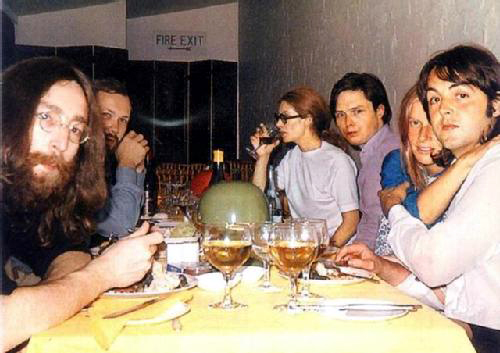
A fab feast, July 1969
Linda Eastman, who like Yoko was at the lunch on the 13th, responded by throwing some of John’s words back in his face. “But you were saying yesterday … you write good songs and it can’t be any better way. You don’t want just studio musicians. I mean, that’s how I look at it. You make good music together, whether you like it or not.”
John admitted that he liked it. Still, he was dissatisfied with the White Album. Not his own contributions, which he remained happy with, but the sum of the parts. While Ringo said he dug it “far more than Sgt. Pepper,” John struggled to reconcile how good the White Album was and what he felt it should have been.
As difficult as the situation was, Paul was the optimist. He didn’t even see George’s absence as a problem — yet.
“See, I’m just assuming he’s coming back, you know? I’ll tell you, I’m just assuming he’s coming back.
“What if he isn’t?” John asked.
“If he isn’t, then it’s a new problem.”
****
A “new” problem implies previously existing problems, and on January 12, 1969, the Beatles definitely had other problems.
With the benefit of hindsight, we know Yoko was right and Paul’s optimism was justified. It was easy to get George to return to the group. It took a couple painless concessions from the others, and he was back with the Beatles just a few days later — this wasn’t any protracted estrangement, just one with good retrospective drama and publicity. For context, Ringo’s resignation during the White Album sessions lasted almost twice as long.
While acknowledging the issue, why didn’t John and Paul go a step further and apply the bandages to salve George’s festering wounds? It’s unclear, as they had recognized, at least in the wake of the meeting — if not during it — their “conniving” problem.
“Our brains sort of … con him,” Paul said at lunch, calling those moments “so innocent” and “so simple.”
That kind of treatment came completely natural to John. “It might have been my game. It might have been masochistic,” he said describing his approach. “But the goal was still the same: self-preservation.”
Yet, John said he “had to fight it the last three years,” saying he overcompensated by feeling he was actually giving in to George for several years, going out of his way to work with and relinquish a territory on their records, while George was creatively on “a good ride.”
He didn’t use the word “connived,” but in later interviews George did consider the others’ actions selfish. None of this should surprise anyone who has followed the Beatles for the last half-century.
There were too many limitations based upon our being together for so long. Everybody was sort of pigeonholed. It was frustrating. The problem was that John and Paul had written songs for so long it was difficult. First of all because they had such a lot of tunes and they automatically thought that theirs should be the priority, so for me I’d always have to wait through ten of their songs before they’d even listen to one of mine. … I had a little encouragement from time to time, but it was a very little. It was like they were doing me a favor. …
Paul would always help along when you’d done his ten songs, then when he got ‘round to doing one of my songs, he would help. It was silly. It was very selfish, actually.
Then there’s Yoko, who George didn’t want around the studio as a non-participant, much less as an artistic partner. He may have been insensitive to her when she entered John’s life (invoking her “bad vibes”), but he clearly felt that behavior was justified. This emerged as the red line for John. We know how the story ended, and Yoko didn’t leave John’s side while the Beatles were together. John won that part of the battle, even if she wasn’t elevated to a member of the group. (Through tragedy she ultimately became a member of the Apple board.)
There was no punch-up on January 10, 1969, that pushed George to take a break from the Beatles, it was just, largely, the simple, sweeping con he endured for years. You could almost say George had been fobbed off and he’d been fooled, he’d been robbed and ridiculed. John and Paul recognized and acknowledged as much on the lunchroom tape.
Like it or not, in the words of Linda, the Beatles made good music together. After the meeting on January 12, 1969, it was an open question if the four of them had any mutual desire and consensus to resume doing so.


 They May Be Parted