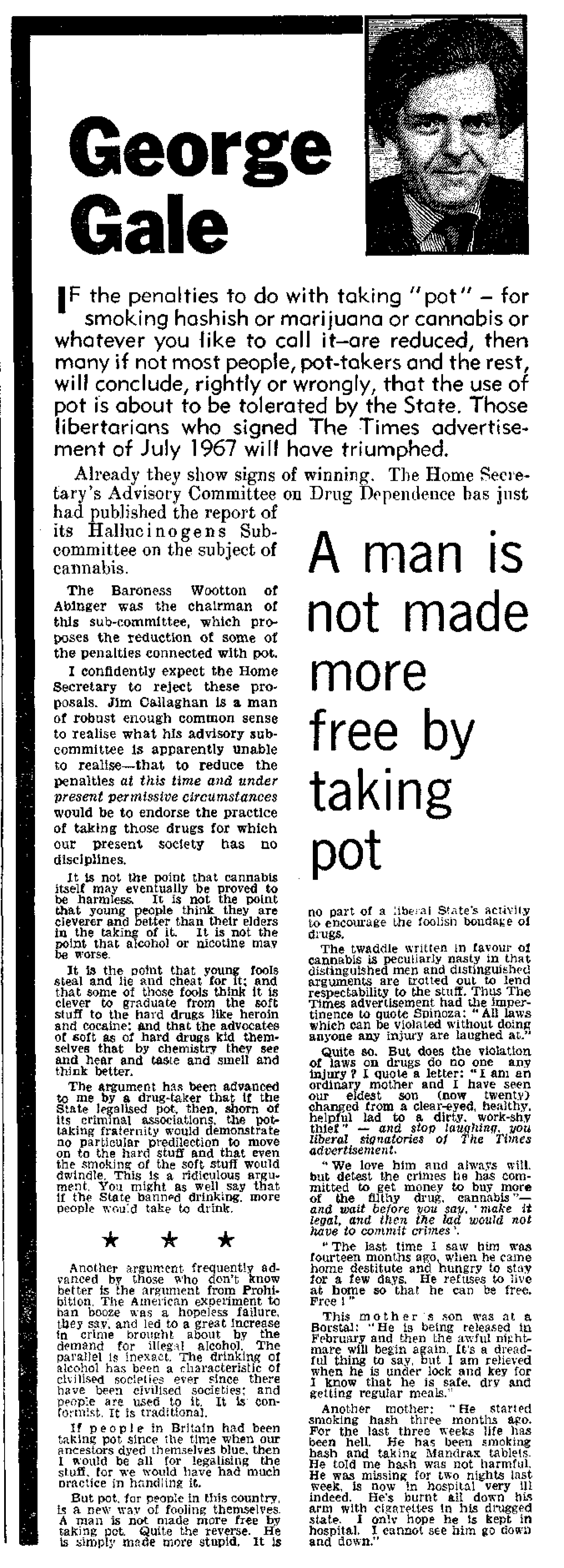
I’ve been sharing my insights on the Beatles’ Get Back sessions on this blog for the last seven years, and it’s been with great joy that recently I’ve been able to share my voice as well at some other fine locations online.
Deep thanks to Robert Rodriguez for engaging me in a terrific, lengthy discussion on the Something About the Beatles podcast on the occasion of the 50th anniversary of the January 1969 sessions. Log onto your favorite podcast app (here it is on iTunes) or just click below. Perhaps do both!
Additionally, a huge thank you to the FabFourArchivist for having me on for a couple of cameos on his YouTube series about the road to the rooftop.
Greetings to all the new readers and followers who have found this site thanks to the above! We’re now more than 50 years removed from the Get Back sessions — and with this one, 100 posts on this blog — and we can’t stop talking about it. And why would we?
“I canceled the papers last week,” George Harrison told the rest of the Beatles early on January 9, 1969. “And they won’t stop them coming.”
Whether George reluctantly toted the Daily Express and Daily Mirror from his Kinfauns home or if they were delivered otherwise to Twickenham Film Studio, the newspapers were put to good use by the Beatles that Thursday.
“It’s about going away, and then the chorus is ‘Get Back.’ Actually, it’s not about anything.” – Paul McCartney
When looking for inspiration, we all know of John Lennon’s willingness to read the news (oh, boy), but it was Paul who ripped from the headlines to fill out some lyrics in his signature song on the sixth day of the Get Back sessions.
“Get Back” emerged from a jam two days earlier with a small set of lyrics — most of which would ultimately survive — including “she thought she was a woman, but she was another man,” “say she got it coming, but she gets it while she can” and “knew it couldn’t last.” The chorus would never change: “Get back to where you once belonged.”
The newspapers informed additional verses to give meaning to the chorus.
But first, let’s get back to George’s opening quote. After complaining about the papers’ non-cancellation, he continued: “George Gale is such an ignorant bastard.”
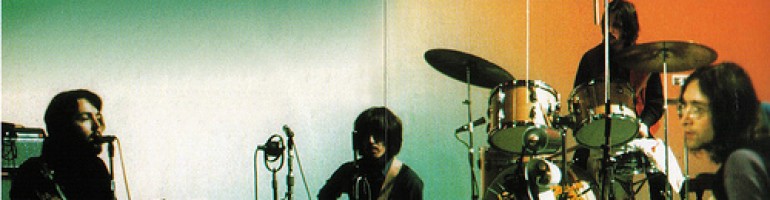
Gale, who at the time wrote for the Mirror, probably caught George’s venom because of that day’s column ridiculing marijuana users in the context of the release of the Wootton Report on the potential decriminalization of the drug.
But pot, for people in this country, is a new way of fooling themselves. A man is not made more free by taking pot. Quite the reverse. He is simply made more stupid.
But Gale’s politics would have been antithetical to George and the rest of the band since their teenage years. It was in 1956 — the year the Quarrymen were formed — that Gale famously wrote under the headline: “Would YOU let your daughter marry a black man?”
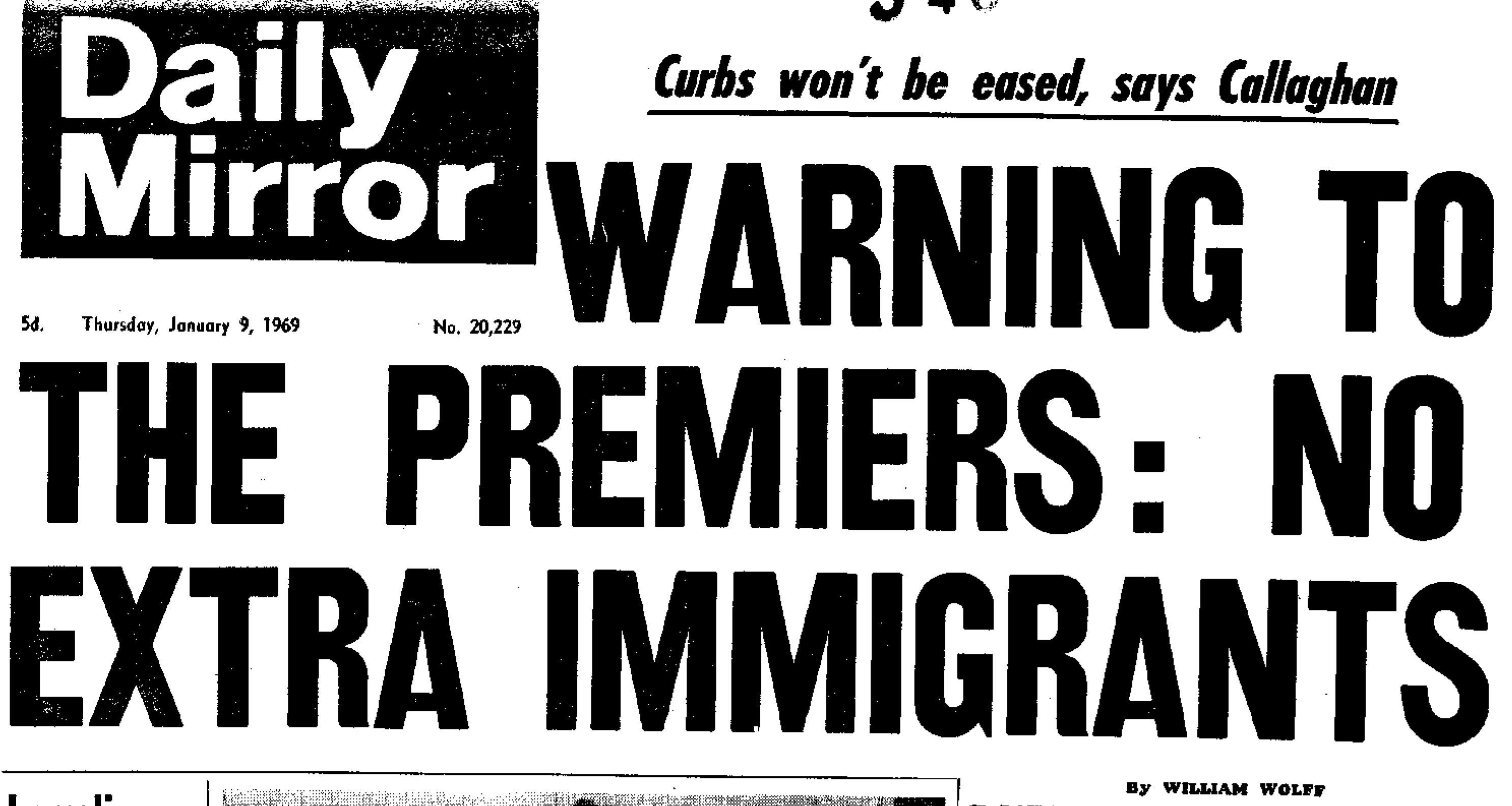
Enoch Powell’s Rivers of Blood speech was given in April 1968, less than year earlier, and its impact continued to resonate (Powell will soon enter this day’s story, too). Race issues remained a terrible plight and severely divisive issue across Britain into 1969 — and, obviously, before, beyond and basically everywhere throughout human history. In the specific context of immigration to Britain, it was in front-page news on January 9 as the Daily Mirror shouted on Page 1: “WARNING TO THE PREMIERS: NO EXTRA IMMIGRANTS”
BRITAIN has no intention of easing her immigration restrictions to take in extra Asians forced out of East Africa. … Mr. Callaghan insists that if Britain is forced to take more Asians from Kenya and Uganda, there will be a cutdown on other Commonwealth immigrants. The Home Secretary is giving the Premiers the strongest warning yet of serious trouble in Britain if extra migrants have to be accepted.
And that takes us back to “Get Back,” the first song the Beatles worked on after lunch. Musically it surges, spunky and alive with the four Beatles perhaps recognizing this is the upbeat rock song they were searching for a week into the sessions. It was likely the first time John played on the song, having arrived after the others when it was first played two days earlier.
From a purely musical standpoint, the song was hot and was rivaled by “One After 909” at this point in pure energy — as far as their originals were concerned. By this early moment in the song’s life, it already had the guitar riff and Ringo’s identifiable cymbal crash during the chorus.
“Think of some words, if we can. I don’t know what it’s about,” Paul admitted. “It’s about going away, and then the chorus is ‘Get Back.’ Actually, it’s not about anything” (said to laughter).
That was fine with George. “We’ll just have those words, just words like [the Band’s] ‘Caledonia Mission.’ They’re just nothing about anything, it’s just rubbish.”
So don’t count George as finding any deeper meaning into that Big Pink cut, in its hexagrams or Arkansas towns. The movement Paul needed was on his shoulder: Just write words that track to the tune, regardless of any actual meaning, and it’ll all eventually shake out.
Despite Paul’s admission to the contrary, to this point, the song did start to find a vague lyrical angle. Joe and Theresa entered the picture this afternoon — JoJo and Loretta would join eventually in their place. There remained the pursuit of California grass. Tucson — the Arizona city in which Linda Eastman went to college and close to where the McCartneys would later own a ranch (and Linda would pass away) — was specifically named for the first time.
Additional lyrics — often turns of phrases rather than coherent statements — emerged during the more than 20 minutes of high quality and high energy vamping and jamming. One pass through the verse is in the first-person, with the singer the protagonist who was a loner leaving his home for California and who was getting back to where he once belonged.
But for the majority of the rest of the time, Paul draws from the immigration news in his search for a relevant lyric, alternating verses about a Puerto Rican and a Pakistani, with the East Asian community’s flight from Kenya still such a big part of the news in Britain. (As a footnote, Paul visited Kenya in 1966, going on a safari with Mal Evans)
There were several points where Paul simply garbled over a name, phrase or section of lyric just for filler. Elsewhere, we get the beginning of a narrative, with an intolerant public imploring the different nationalities “get back to where they once belonged.”
A sampling of lyrics:
A man came from Puerto Rico, oh, he joined the middle class/Where I came from, I don’t need no Puerto Ricans
Take the English job, only Pakistanis riding on the buses, man
All the people said we don’t need Pakistanis, so you better travel home
Don’t dig no Pakistanis taking all the people’s jobs
Don’t need no Puerto Ricans living in the U.S.A.
Don’t want no black man
When tapes from these sessions first leaked into the bootleg market in the mid-1970s, we would simply get single songs stitched together with no context, little dialogue and guessed song titles — like ones called “No Pakistanis.” It’s obvious the Beatles were simply making a social commentary, satirizing the segment of the public who harbored the feelings they were singing. But by the mid-80s, a wide exposure of these takes by The Sun — lacking the needed conversational context or tracing of the evolution of the song — posited the Beatles must have been xenophobes themselves. Gotta sell papers, after all. There probably aren’t too many times Paul ever commented on bootlegged tapes, but Rolling Stone got him on record in 1986, responding to the racism claims:
Sensational journalism – The Sun is not a highly reputable newspaper. What this thing is, I think, is that when we were doing Let It Be, there were a couple of verses to “Get Back” which were actually not racist at all – they were antiracist. There were a lot of stories in the newspapers then about Pakistanis crowding out flats – you know, living sixteen to a room or whatever. So in one of the verses of “Get Back,” which we were making up on the set of Let It Be, one of the outtakes has something about “too many Pakistanis living in a council flat” – that’s the line. Which to me was actually talking out against overcrowding for Pakistanis. The Sun wishes to see it as a racist remark. But I’ll tell you, if there was any group that was not racist, it was the Beatles. I mean, all our favorite people were always black. We were kind of the first people to open international eyes, in a way, to Motown. Whenever we came to the States they’d say, “Who’s your favorite artists?” And we’d say, “Well, they’re mainly black, and American – Motown, man. It’s all there, you’ve got it all.” I don’t think the Beatles ever had much of a hang-up with that.
The reference he makes to the line about “too many Pakistanis living in a council flat” actually came on January 10, when the Beatles continued to work on the song. But the point remains. The song has been misunderstood by some unwilling or unable to see the nuance (search around the Internet for “Beatles” and “racist” at your own risk, even moreso if you read any comments).
We have on tape evidence the “get back” element of the chorus came before anything else on January 7, and was likely a riff on Jackie Lomax’s “Sour Milk Sea,” and we can reasonably dispense of the myth the song’s true origin was political. It’s also pretty clear Paul simply liked the flow of “Pakistani” and “Puerto Rican” — words with four syllables that were easy to rhyme — and was searching for something that sounded appealing, while not shying away from something political. At one point he clumsily rhymes “Puerto Rican” and “Mohican” (a Native American tribe), a perfect example of how little thought out the lyrics were at this point. He was just searching.
John Lennon later said “Get Back” was directed at Yoko Ono, anyhow. But more on that another post.
The 20-plus-minute post-lunch writing and rehearsal session marked the end of the group’s work on “Get Back” for January 9, although they’d return to it nearly every day they were in the studio until the end of the month. It wasn’t the last time the group included the racial element in the song, and it wasn’t the last time they’d address the issue in song on January 9, either.
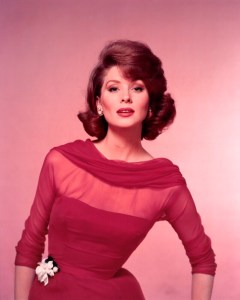
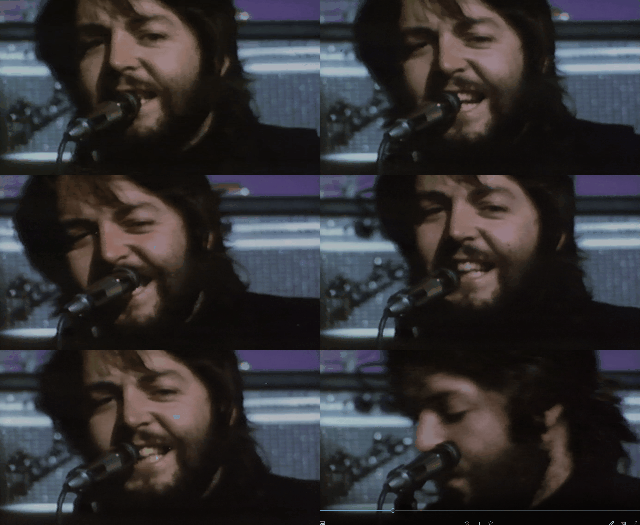
“Suzy Parker” — as performed by the Beatles — requires multiple assumptions to set a complete chronology of the song’s history. What is established, however, is that the only performance made available over the last half-century is one from January 9, 1969.
The song sprung directly out of the day’s lone, solid performance of “Don’t Let Me Down” (discussed a post ago), with John introducing the song in a deliberate, low-key mumble.
“I’d like to change the tempo now a little and move over to another kind of gig, and it’s called ‘Suzy’s Parlour.’”
And with that, John plucked out the opening chords ripped straight from the Chuck Berry playbook. Paul repeated the title as John began to sing in his most shrill voice. This is my best stab at transcribing the lyrics — I listened on headphones multiple times, slowed the song down, the works — but let’s just say they’re pretty fluid and inconsistent, as is John’s wont:
C’mon, Suzy Parker, everybody’s welcome to come
I said come over, Suzy Parker, everybody’s welcome to come
Get to fixing Suzy Parker, everybody gets well done
I said, c’mon, Suzy Parker, everybody’s welcome to come
I said, c’mon, Suzy Parker, everybody’s welcome to come
When you come to Suzy’s parlour, everybody gets well done
After every line, Paul and George supplied “c’mon, Suzy Parker” backup vocals — or something along those lines — and this is the place to note Paul clearly sang “Parker” not “parlour” most of the time. Their delivery is vaguely reminiscent to the “shoo-bee-doo-wop” backup vocals they provide in “Revolution 1.” After the first two verses, we get a machine-gun-style “rat-tat-tat” backup vocal, intensely delivered by Paul and George.
The verses continued, as John did John things, tweaking the lyrics on the fly.
C’mon, Suzy Parker, everybody’s welcome to come
Yeah, c’mon, Suzy parlour, everybody’s welcome to come
When you get to Suzy’s parlour, everybody gets well done
Another repeat of the rat-tat-tats refrain, and that was it, just shy of two minutes. John recapped the lyrics spoken-word, while George and Paul repeated the rat-tat-tats and a little of the instrumentation. Everything is over and done in about two minutes, a delicious respite unleashed before the group heads right into “I’ve Got a Feeling.”
You can — and should — see about half of the performance in the Let It Be film, starting about 19 minutes in. There it’s introduced by John asking, desperately, “Does anybody have a fast one?” on the heels of a lackluster take of “Dig a Pony” from January 7. Movie magic merges these two moments.
So back to the opening question: What on earth is “Suzy Parker”?
It’s a great song! Funny, upbeat, tight. And a little raunchy, even, representing a section of Suzy Parker’s home as a den of iniquity where everybody’s not only welcome to come but they get well done, too. It’s not remotely as provocative as Prince’s ode to a supermodel of his era decades later, but this was enjoyably suggestive nonetheless.
“Suzy Parker,” too, is the flip side of the sessions’ grim reputation, four guys truly enjoying playing music together. Take this and “One After 909,” and the Beatles could have propelled the Get Back experience into a different, retro (and excellent) space.
Yet as spontaneous as was the group’s mood, it feels very difficult to consider this song a one-off, impromptu jam. It’s simply too tight, too good, even if it is boilerplate John Lennon 12-bar blues.
So when and where does the song really come from, and why her? Your Beatles fan fiction is as good as mine. Parker’s successful modeling career had peaked a decade earlier, and she was nearing her final acting role, so while the members of the band certainly had long memories, she wouldn’t have necessarily been on the tips of their tongues. With plenty of other songs featuring variants of the heroine’s first name across more than a decade, there’s no smoking gun that would place “Suzy Parker” in any particular period in Beatles history if there’s a consideration it was directly inspired by another lyrical Suzy, Suzie or Susie. It could have been influenced by one, none or all of these:
But “Suzy Parker” is not necessarily from January 1969 either. The Beatles are in sync to a degree that seems to belie a completely ad-libbed performance, when we have much sloppier performances of other ad-libbed and established songs from these sessions for comparison. Even the well-rehearsed songs are sloppier. While the Nagra tapes constantly rolled during these sessions, and this specific performance of “Suzy Parker” the only one recorded, there remains non-zero odds the song existed in some form prior.
We can, at least, be assured that it’s not a cover, and it’s not formally titled “Suzy’s Parlour,” either, despite that being the name introduced by John, repeated by Paul and the primary lyric of the the song.
Nobody involved seemingly has ever spoken about “Suzy Parker” in an interview, so most of what people know about it is based solely on years of speculation. But at least one piece of paperwork helps clear up some of the discrepancy.
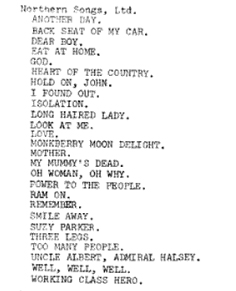
It’s only a Northern Song: “Suzy Parker” listed among John & Paul’s solo efforts at the U.S. Copyright Office.
Even though the song has never appeared on a sanctioned Beatles album or single — I found its absence on Anthology 3 conspicuous — it was an official Beatles release having turned up in the Let It Be film. Therefore, the song had to have its papers. First copyrighted in 1971, the song in question is indeed titled “Suzy Parker,” a rare (butnotunprecedented) Lennon/McCartney/Harrison/Starkey original. Nowadays Northern Songs’ catalog falls under the ownership of Sony/ATV, where the song is registered as “Suzy Parker” — with the defined alternate title of “Suzy’s Parlour” (search the title here, or check this spreadsheet download for the listing).
Should the song be called “Suzy Parker” or “Suzy’s Parlour”? Probably the latter, but it actually doesn’t matter. It is what it is, and formally the song is “Suzy Parker.” And despite an endless library of film, tape and interviews of the band existing for the entirety of their careers, the Beatles’ career still holds lovely pockets of mystery like this song.
Let’s run through the ones we know and then learn the [new] one.
This is our format.
Paul McCartney was right. There was a format. At least there was a framework developing as the Beatles rehearsed in their second week at Twickenham.
As covered in the last post, George Harrison would have to wait a few hours for attention to return to his new “For You Blue.” Instead, with the full band ready to go nearly 90 minutes into the January 9, 1969, Nagra tapes, the Beatles tackled “Two of Us” for the fifth time in six days, initiating a sequence in which the group returned to some of the finished, core songs they’d have for their live show. Why, it was their format!
This stretch also clearly exposed the side of the Beatles that everyone (else) usually cites when describing the Get Back sessions. While I’m quick to argue January 1969 at Twickenham was not of itself the downfall of the band as it was filled with harmonious, joyous and highly fruitful moments to match the uglier, fractious component of the sessions, these guys could get pretty petulant and didn’t hide it with the tapes rolling.
A quick, carefree one-off into the song the day before, this day’s “Two of Us” rehearsal stretched about a half-hour, and quite unlike the Rocky and the Rubbers’ version, Paul insisted on serious refinement.
As loose as their run-through was early on the 8th was exactly how tense things emerged on the 9th, with consistent, stuttered efforts to get through a full song.
From the top, the group can’t find the proper pacing of “Two of Us,” with Paul pushing the others to pick it up. “Keep them all quiet, keep your instruments down so we can sort of hear what’s going on.”
They had another go at the song, and “it’s still pathetic,” in Paul’s words. He suggested the issues went beyond just the song’s speed.
As Paul nitpicked what arrangement the song needed entering the bridge, John argued, “We never got into this [part] yet,” defending himself and the others as Paul criticized the group for not knowing what’s in his head.
A fiery example of the strain came during a “Two of Us” take in which Paul barked at John, who wasn’t in perfect rehearsal position, to “get on the mic.” John, certainly responding to the tone more than the instruction itself snapped back.
“You don’t have to bitch about it, we’ll never get through it.”
The band immediately went into another take, and you can hear John loud and clear — but he came in early. You can hear Paul’s displeasure when he comes in himself at the right time. Still, they championed on.
A dark moment, for sure, but as usual for these guys, they were able to compartmentalize and still harmonize figuratively and literally. Picking apart “Two of Us” to improve the various “bits” and now focusing on the middle eight, Paul started thinking out loud.
“The two things I think of are both corny, but something better are oohs … or [a staccato “dit-dit-dit”]”
Never mind that the “oohs” are actually “aahs” when Paul, John and George instantly launch into a demonstration of the vocals, which are proposed to appear supporting the “you and I have memories” lead. This is the Beatles magic, immediate and spontaneous and completely normal, even when it comes a few minutes after one member complains about the other one’s bitchiness. The subsequent stab at the staccato vocalization came off a bit sloppier but still likable.
Concerned the backup line would sound “too thin,” George proposed, “Maybe we get a few Raelettes,” marking yet another time the group evoked Ray Charles’ backup singers. “Get three girls” with some phasing on the mics.
John’s cheeky reply was to bring in three boys instead, and George named the Dallas Boys, Britian’s first boy band (by ’69 they were into their 30s).
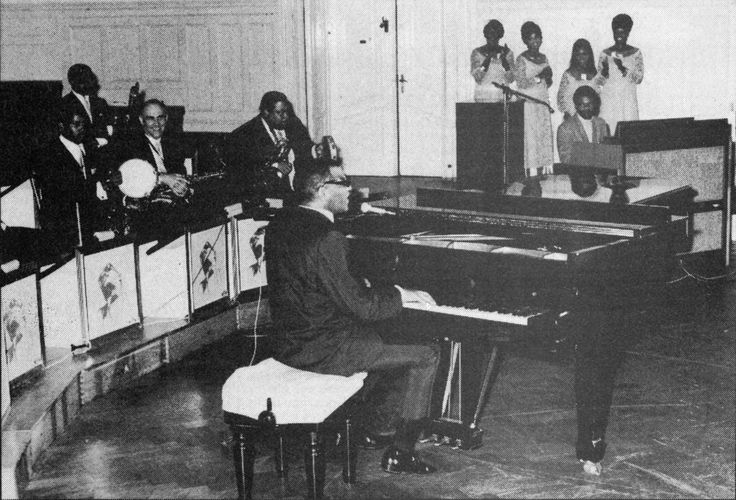
While they never landed the Raelettes, the Beatles would soon enlist the man seated before them, Billy Preston. (Photo from late 1968).
Ultimately, Paul asked the others to “just think of something, then” for the middle eight, and off they went into another take, this one featuring the lovely “aahs.” The song may not have dramatically improved, but the mood had over the last 25 or so minutes on the tapes.
But Paul still had something to complain about, turning his attention to a frequent (and legitimate) punching bag for the band, the equipment setup at Twickenham. If we think the tapes sound diluted, just imagine how substandard the quality must have been for the musicians on the sound stage. With the proposed show nearing — and despite some pretty ambitious ideas, uh, floated less than 24 hours earlier — improved sound needed to be addressed along with other facets of a finalized live performance.
“Just so that we can all hear, so it sounds really great here,” Paul said. “So that our voices are just as loud as they need to be. ‘Cause then we’ll be able to hear what’s wrong.”
What’s more …
“Everything we’re going to actually do like that, we could get into now. Just where the amps are going to be, and where we stand. It is a bit silly to be rehearsing sitting, facing this way, when we’re actually to be playing standing, facing that way.”
And here’s where we return to a disagreement among the principals, but with a far different result than earlier.
John: I thought we’d get into that when we do a few more.
George: We still have dance steps to learn.
Paul: And the jokes in between.
The esprit de corps resumed as the group advanced to a singular take of “Don’t Let Me Down.” There was no nibbling, no exhausting search for a missing “bit,” and even when there was a screw-up on the lyric, they powered on and completed the song in a tidy 3:10.
Far less concise, and clocking in at nearly 25 minutes of torturous micromanagement, was a brutal run of “I’ve Got a Feeling.” After a perfectly adequate (for this point in the sessions) initial run-through, Paul immediately identified just one specific spot for improvement — the same part of the song that had bedeviled the group on multiple occasions, and the same point that the struggled with in several songs — “The only bit is the break. Still not sort of dramatic enough.”
This tense sequence was up there among the least listenable parts of the entire month’s worth of tapes. Paul offered several variants on how he wants the guitar part to sound, right after his line, “All that I’ve been looking for is somebody who looks like you!”
Issues:
“All the notes are clipped.”
“There shouldn’t be any recognizable jumps.”
“The notes shouldn’t ring on.”
“At the moment, it’s like a riff.”
Solutions:
“[The notes should be] just like falling, falling.”
“Try to sort of sing it.”
“It’s got to be like pain.”
“Certainly do anything like it’s crying.”
It’s got to be like pain. What an instruction!
Paul desperately and relentlessly attempted to communicate how he wanted the part to sound — gesticulating, vocalizing, playing it on the bass — but George simply couldn’t or wouldn’t accurately nail the brief solo.
In another editing trick that showed up in the Let it Be film, it was nailed. That’s because the film shows the January 8 “Rocky and the Rubbers” take of the song (where Paul shouts a celebratory “good morning!” after the part is played), and spliced it on both ends of a brief portion of this sequence from January 9.
Ultimately, the part was hit satisfactorily enough for the Paul to continue the group through their core set. The mood rose again for another jubilant effort of “One After 909,” although we don’t get a complete grasp of the rehearsal due to the tape cutting in and out. We can pretty safely assume, though, that like “Don’t Let Me Down,” the band tore through a single take.
As John moved over to the piano, the Beatles practiced their stage patter, in hilariously fake sincere voices.
Paul: “Certainly, it’s a great occasion for us.”
John: “First chance we’ve had to play for you dummies for a long time.”
The playful attitude continued as Paul dabbled in a bit of “Norwegian Wood” on bass, soon to be joined briefly by Ringo on drums and George on guitar and vocals before they immediately launched into, as George called it, “the one about the window.”
It was a straightforward, strong take of “She Came In Through the Bathroom Window,” although we don’t hear the whole thing on the tapes. Far less straightforward, but wholly enjoyable was a string of takes broken up by tape cuts, including one with John taking the lead vocal with a heavy Cockney accent.
By this point, the mood was entirely loose. The song was given a slow ballad treatment, featuring a lyric referencing the famed celebrity female impersonator Danny La Rue. Paul completed one take by answering the phone: “Hello, this is Tuesday speaking. Is that Paul? I’d like to have a word with you.”
Now, five minutes past 1 p.m., the group broke for lunch. Paul offered a brief impression of Elvis — who someone mentioned turned 34 the day earlier.
Only a few hours into a temperamental roller-coaster of a day, John replied to the rest of the 20-somethings in the group, “We all seem to be catching up to him.”
Why, it’s a metaphor for George Harrison’s flowering ambition within the Beatles in their final year! OK sure, but it’s actually just the guitarist describing how famished he was before arriving at Twickenham Film Studios mid-morning on January 9, 1969.
“I had to be late, just to eat me breakfast. If you want an excuse.”
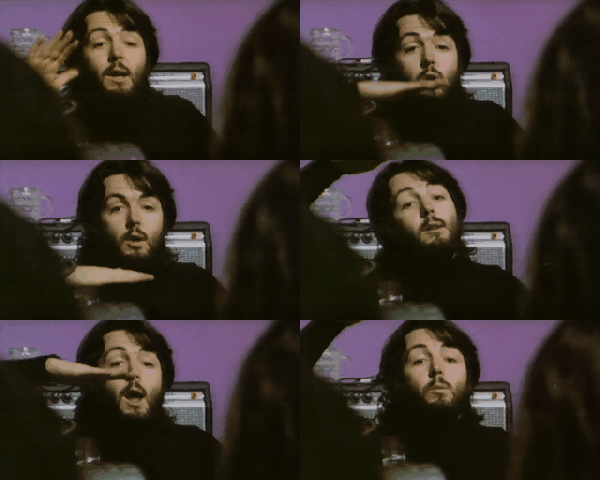
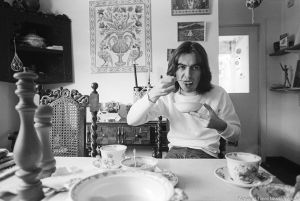
You know that what you eat you are: George enjoys breakfast at home on April 9, 1969, three months to the day after this post’s session.
Paul McCartney already had spent at least 45 minutes at the piano this Thursday, and he ceded the virtual spotlight to the new arrival, who reintroduced “For You Blue” to the sessions.
“This is his last-night song,” Paul would later describe it to John Lennon, who would show up shortly (Ringo Starr was already around when Paul was playing). Paul’s characterization of George’s song wasn’t entirely accurate. As far as the tapes are concerned, this was the third day “For You Blue” was demonstrated — but it was the first time it was properly and deliberately performed for and with the other Beatles.
A slower, bluesier version acted as background music on January 6 during a conversation about equipment. Likewise, the next day, the song wasn’t performed so much as it kept George busy amid the overwhelmingly tense debate over the band’s future.
Finally on January 9, George properly lifted the veil on “For You Blue,” offering it on an acoustic guitar as a sharper, more highly paced toe-tapper as compared to those previous, abbreviated versions. The skiffle influence was obvious, and on this morning, admitted. The song was clearly a “last-night” project, enjoying a clear evolution heading into the 9th.
The guts of the version that would be recorded a few weeks in the future and released more than a year later existed this morning for the first time: its distinguishable introduction, the first few verses, guitar solo and its ending. The cat didn’t bop yet, and Johnny didn’t go, but the number George described as “our little blues-folk song” was indeed the same ol’ twelve-bar blues.
Paul chipped in an imperfect but not insincere stab at a piano part and a vocal harmony. Neither would stand the test of time, but the attempt wasn’t out of place.
Peaking as a songwriter, George admitted writing the lyrics was a simple process.
“You got most of the words?” Paul asked.
“They’re so easy, I just wrote about two [verses] down,” George replied. “You just make ‘em up.”
John arrived moments later, and with the fab count complete at four, proper rehearsals were finally able to commence. John initially suggested kicking things off with “For You Blue.”
“Should we learn your song then, ‘I love you sweet and honey baby.’”
Paul slammed the brakes, though, setting the terms of the rehearsals.
“Let’s run through the ones we know and then learn the [new] one.
“This is our format.”
For better or worse, it was. And following was a sequence in which the group tackled some of their more familiar numbers — “Two of Us,” “I’ve Got a Feeling,” “One After 909,” “She Came In Through the Bathroom Window,” new favorite “Get Back” and the rehabilitated “Across the Universe” — before they got a little original and political. But that’s for another post.
Fresh out of a cover of “Honey Hush” (by Big Joe Turner, via Johnny Burnette, with John taking lead vocals), we finally got the day’s first few attempts at full-band takes of “For You Blue” on the tapes. It sweats with swagger, with George leading the way on electric guitar and Paul adding a mature though imprecise bass part.
The group picked up their parts pretty quickly and easily, because, after all, it’s a pretty basic song. George’s eventual description of the “For You Blue” in his 1980 autobiography “I Me Mine” says as much:
“For You Blue” is a simple twelve-bar song following all the normal twelve-bar principles, except that it’s happy-go-lucky!
At least one person, though, wasn’t too happy with the song after the first full go.
“Pretty short, innit?” John asked after the two-or-so-minute take.
George didn’t address his critic, instead criticizing the ad-hoc arrangement — making it at least two people unhappy with the song — saying he’d like to perform the song “on acoustic on the show. I don’t want to do it like that.”
“I’d like to do it with just an acoustic guitar. If we can get an acoustic bass, it’d be nice.”
John interrupted, almost shocked. “Acoustic bass?”
He shouldn’t have been too surprised — George suggested the same instrument just the day before, for “I Me Mine.”
George retrieved an acoustic guitar and proceeded to perform the song alone, accompanied only by hand-claps, probably from Paul.
Clearly noting the lack of enthusiasm for his own songs and probably reflecting his own increasing boredom as he endured the sessions , George — for the third time in a week — tried to deflect effort from the Beatles’ own rush to produce new material.
“Should we do some other people’s tunes as well?” George asked.
To laughter, but clearly laced with sincerity, John shot down the idea. “I can only just bear doing your lot’s songs, never mind doing strangers’.”
George: “Yeah, but those songs are so much better than ours.”
“That’s why I don’t learn them,” Paul replied.
George performed “For You Blue” one more time, and he eventually quit singing after Paul melodically read or improvised a wholly unrelated speech while George played guitar.
On January 3, the sessions’ first full day, George asked if the group would dip into their back catalog. On January 7, he asked if other groups would join them on the bill. And now, he was feeling out the potential of mixing in covers, something they were doing relatively effortlessly throughout the sessions thus far. His most significant contributions to this point — “All Things Must Pass,” “I Me Mine” and “For You Blue” — arguably matched Paul’s newest songs and certainly outpaced John’s meager output.
And still, George’s songs were downgraded or degraded by the others, nothing that was really new. Per the tapes, George’s last-night song was the only song of his rehearsed on this January 9. His hunger for an expanded role — or a significant change in the band’s operation — was growing insatiable. On January 10, it was breakfast at home again for George, but the change he starved for came at lunch.


 They May Be Parted